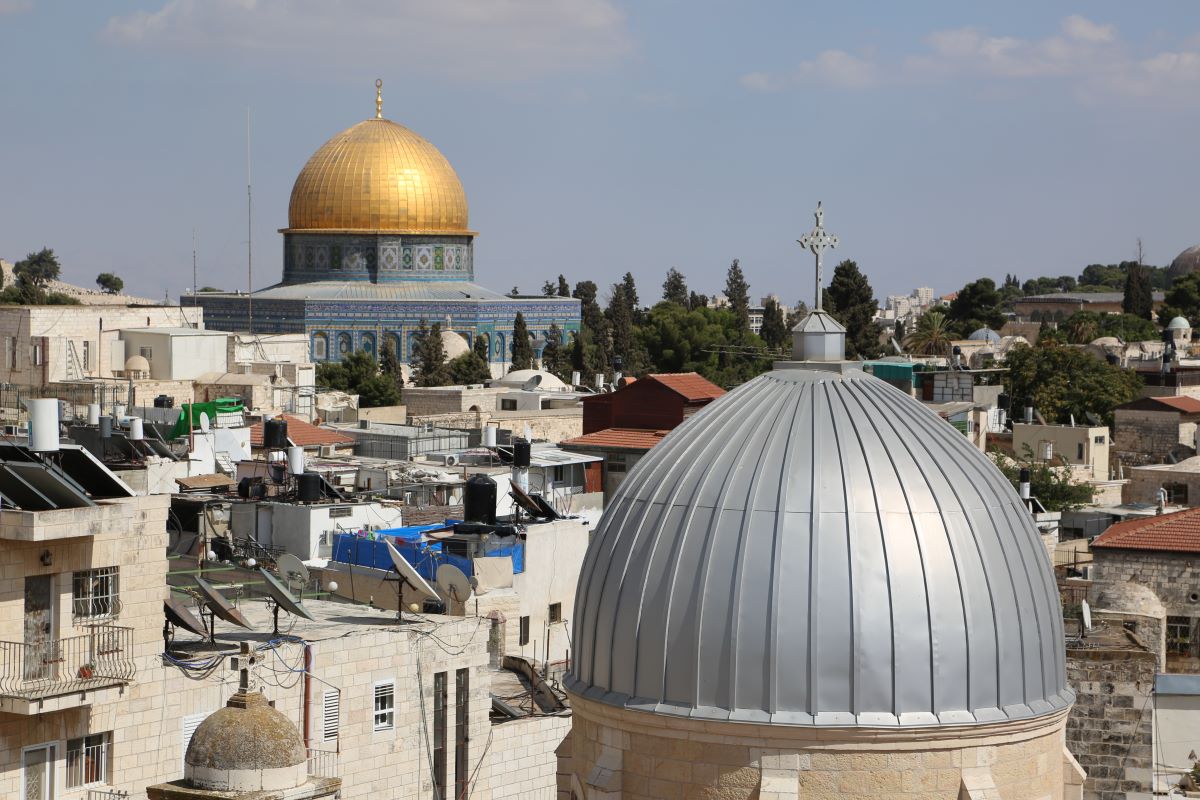
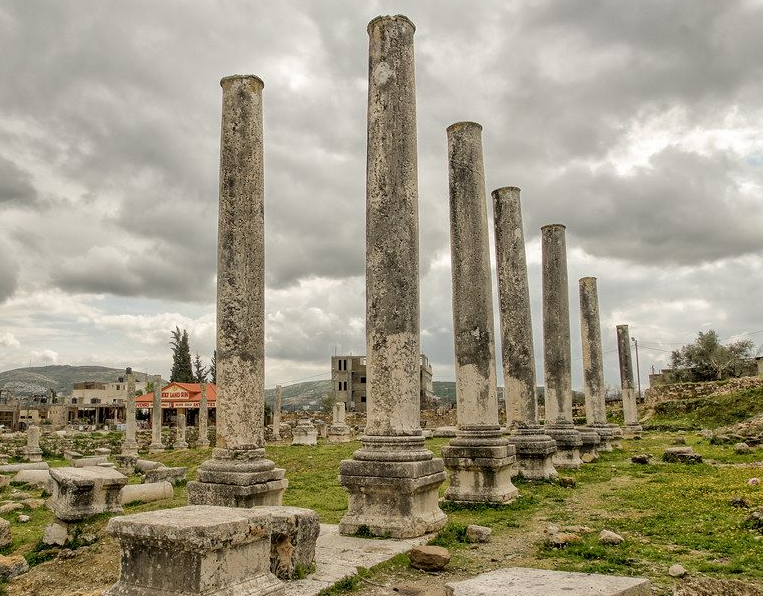
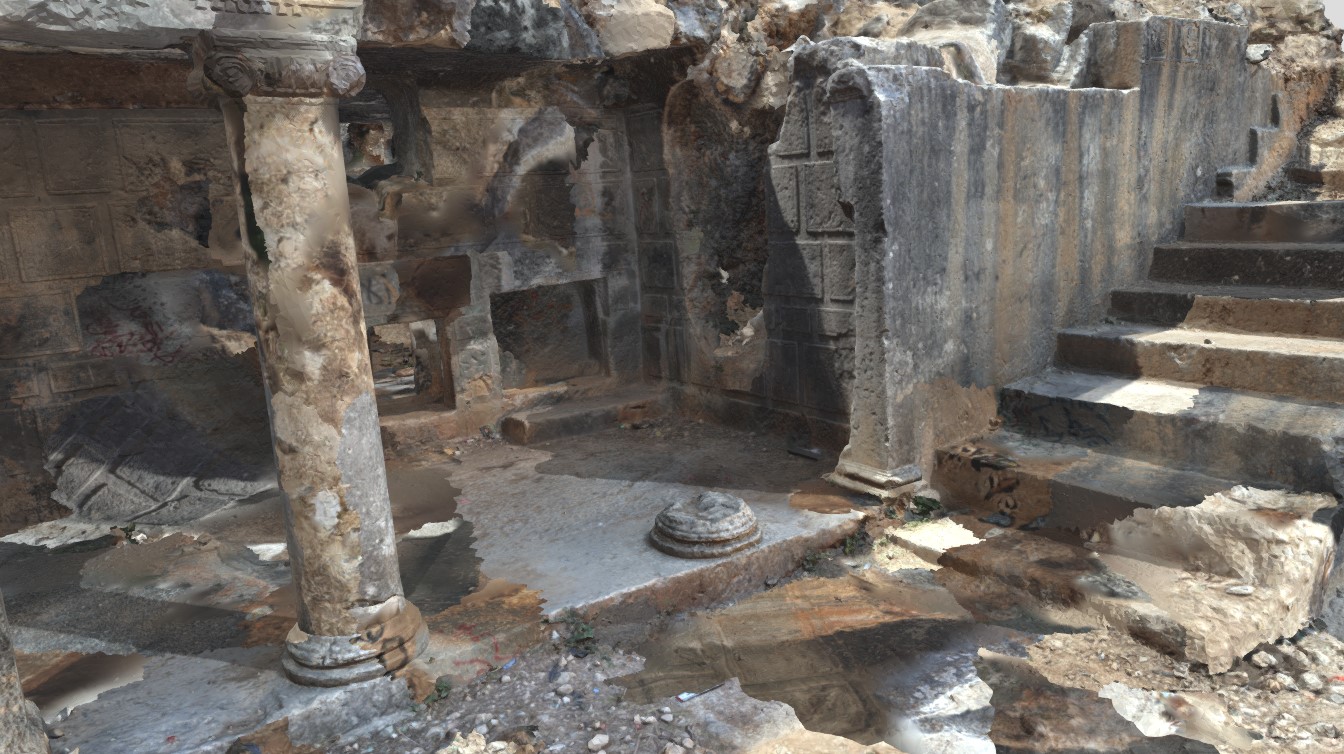
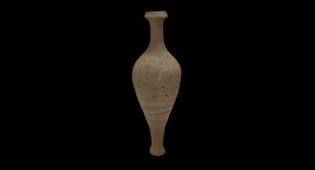
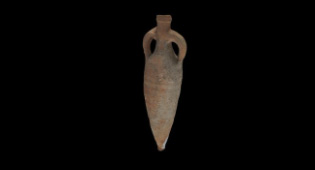
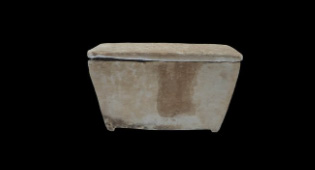
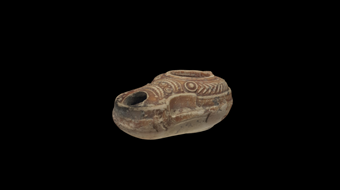
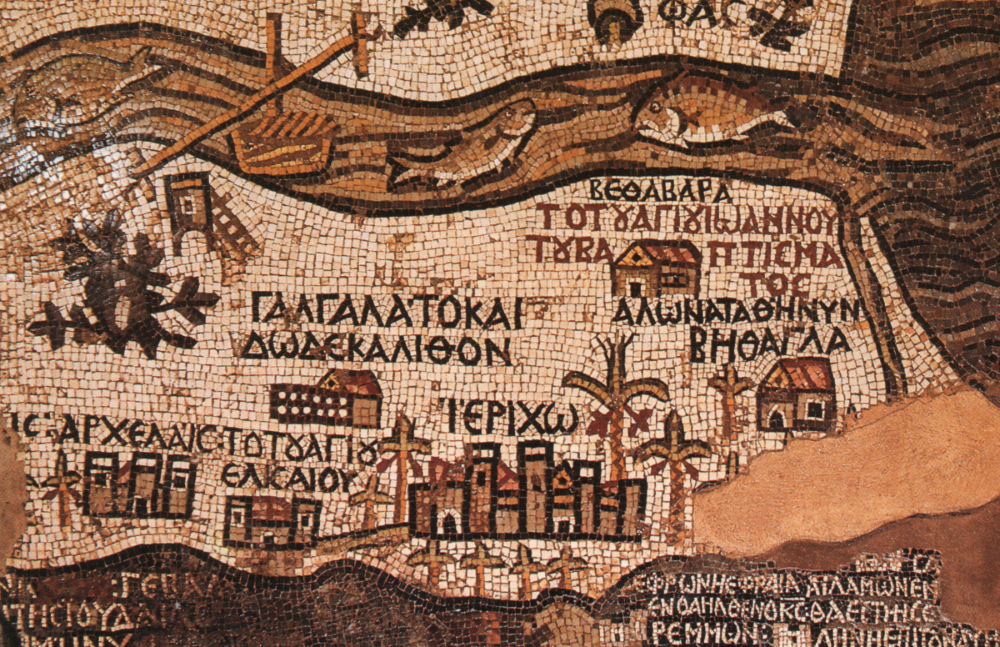
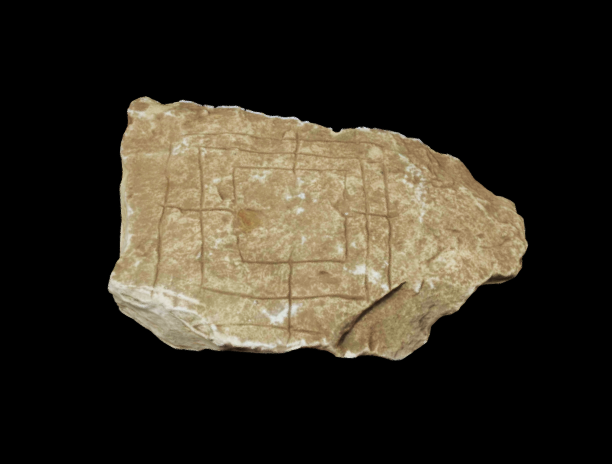
This is the stage that includes the Greek, Roman, and Byzantine periods, respectively. It is the period extending from the entry of Alexander the Great into the East at the end of the fourth century BC, until the end of the Byzantine period in the sixth century AD.
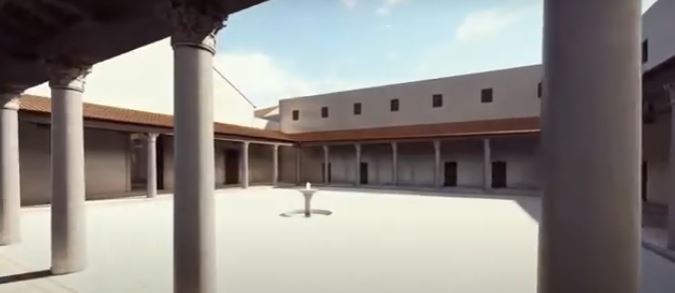
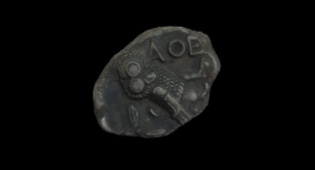
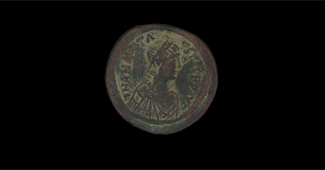
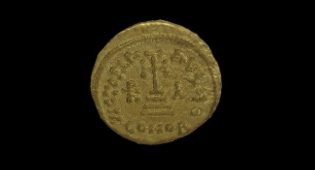
Greek civilization is divided into two stages, Ptolemaic and Seleucid, named after the names of the leaders of Alexander the Great. Greek rule continued until the entry of the Roman army led by Pompey into Palestine in 63 BC, a rule that continued until 324 AD, when Christianity became an official religion during the reign of Emperor Constantine. In the Greek and Roman periods, new cities were established on the basis of an urban plan that included streets, markets, water systems, and public buildings such as temples, palaces, and theaters. Coinage became a common means of economic exchange. Gold dinars and silver dirhams were minted in this period, and they bore the names and pictures of the rulers.
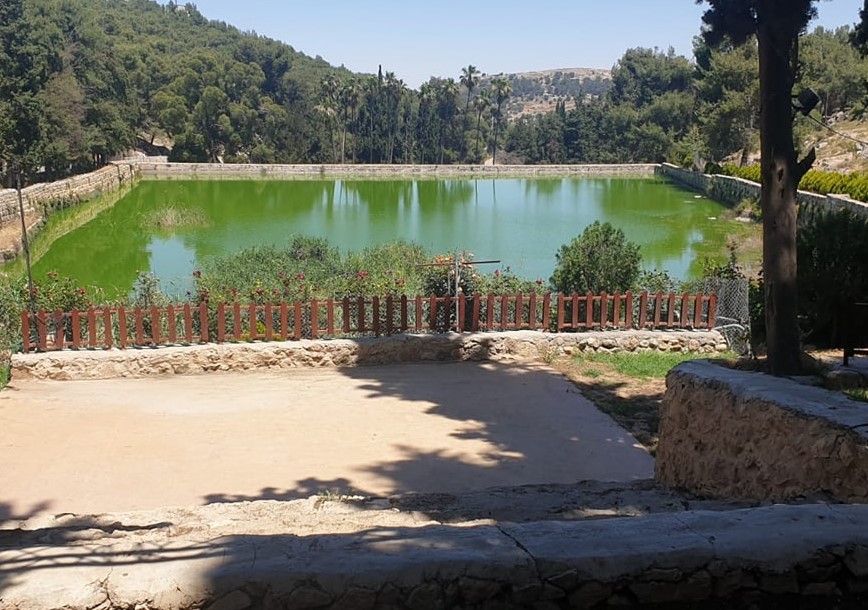
This period witnessed great architectural development, as wagon roads were built and canals were established to transport water to long distances, such as the (Sabil) Canal, which transported water from the Hebron Mountains to the cities of Bethlehem and Jerusalem. Writers and writers left important works, such as Strabo, Pliny, Herodotus, and Josephus in the Roman period, and Father Eusebus and Jerome in the Byzantine period.
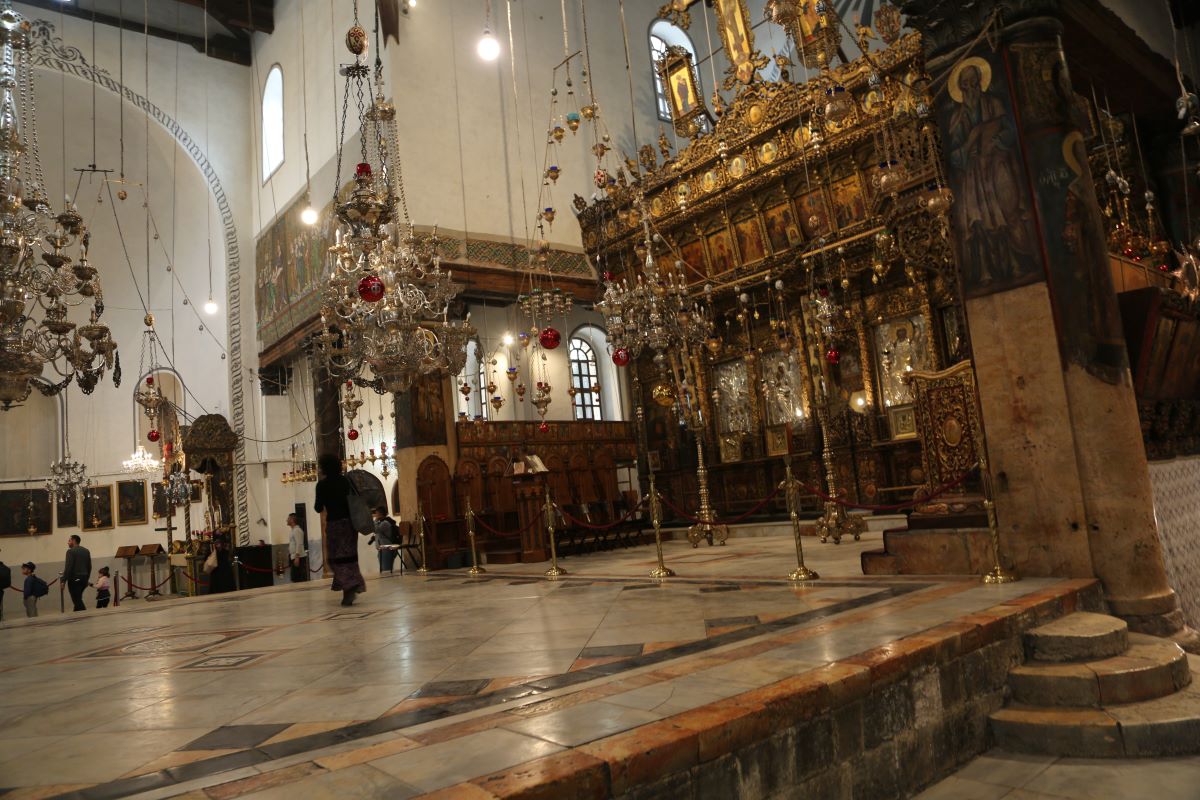
The beginning of the first century AD witnessed an important event: It is the birth of Jesus Christ. At the beginning of the fourth century AD, Christianity became an official religion, and the Church of the Resurrection was built in Jerusalem and the Church of the Nativity in Bethlehem, along with many churches and monasteries throughout Palestine. The cities of Jerusalem, Sebastia, Beit Shean, Caesarea, Nablus, and Gaza are considered representative examples of the cities of this period.