Sebastiya is situated approximately 10 kilometers northwest of Nablus, at the crossroads of two major historical roads: the northern road from Nablus to Jenin and the western road from the Jordan Valley to the Mediterranean coast. Its location provides a splendid view of the surrounding agricultural lands. Sebastiya was a regional capital during the second Iron Age and a significant urban center during the Greek and Roman periods. It is one of the oldest inhabited places in Palestine and retains its ancient name, indicating a strong element of cultural continuity. Christian and Islamic traditions suggest the presence of the tomb of John the Baptist in the area.
A series of excavations were conducted at this site, the first between 1908 and 1910 by Harvard University. The latest excavations were carried out by the Palestinian Antiquities Department in 1994, revealing a part of the city dating back to the Iron Age, including the Royal Palace complex and a central square. One of the major discoveries was a collection of ivory pieces dating to the eighth and ninth centuries BCE.
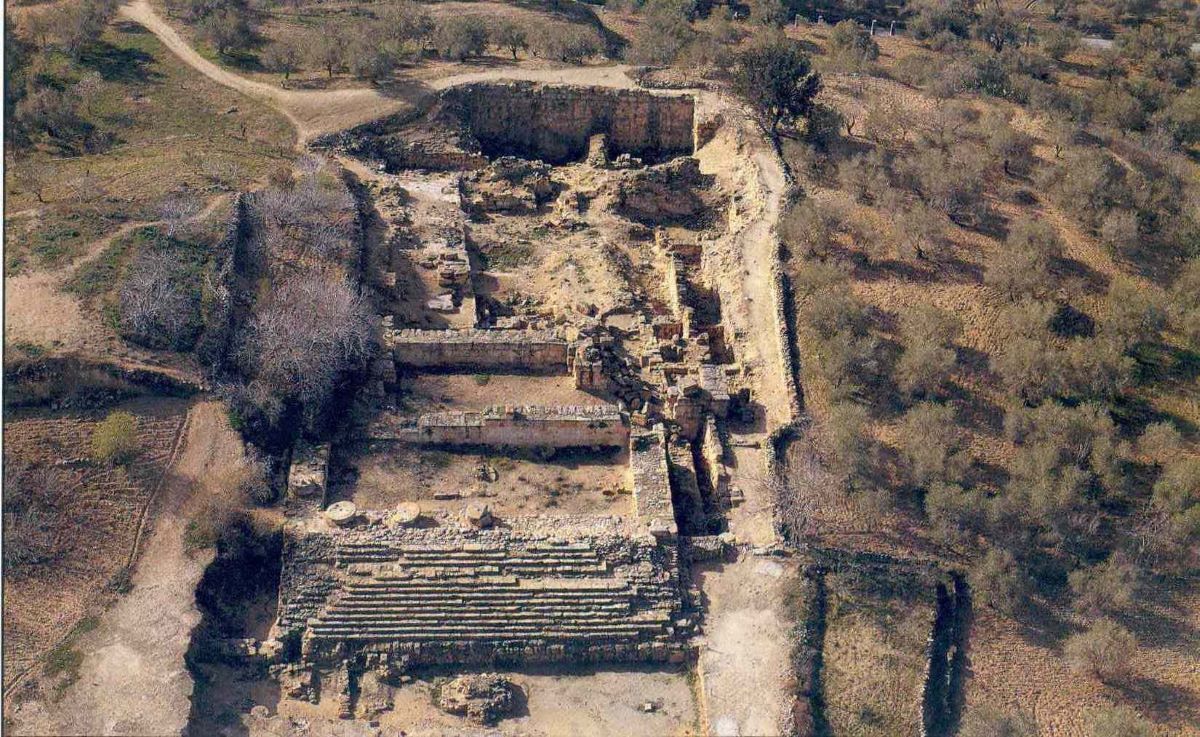
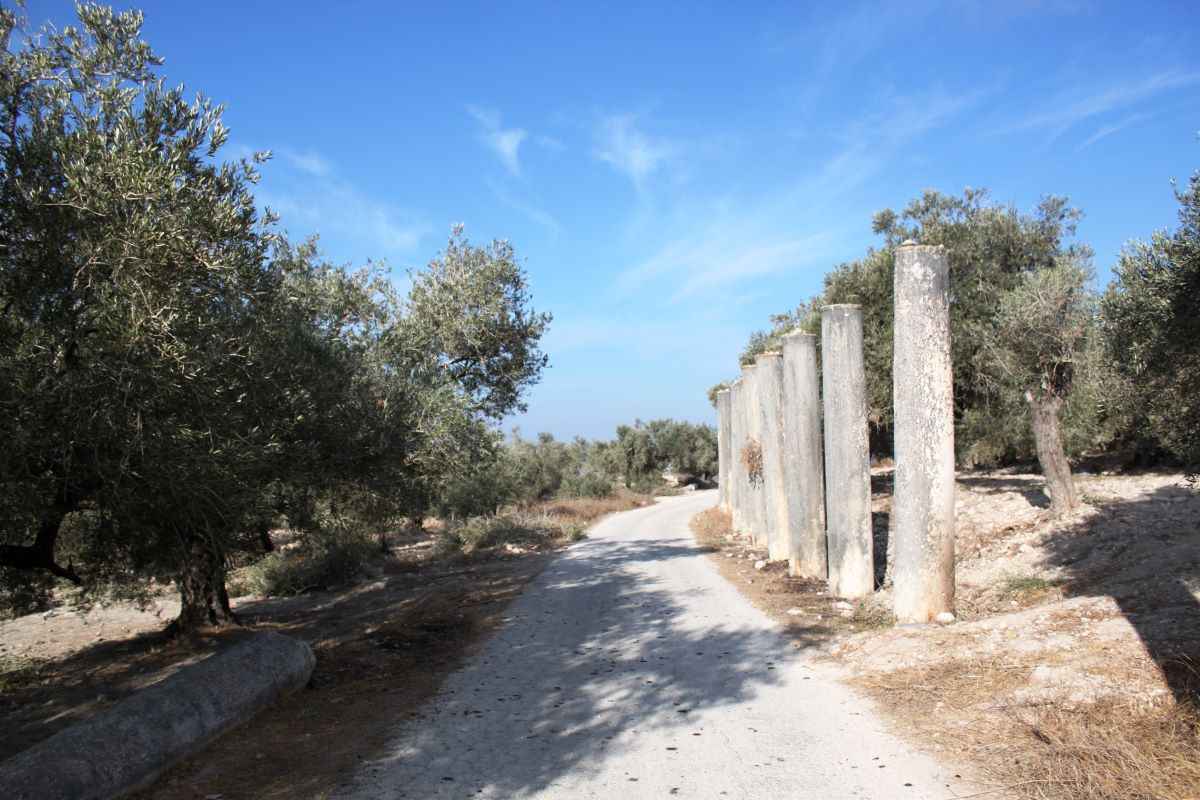
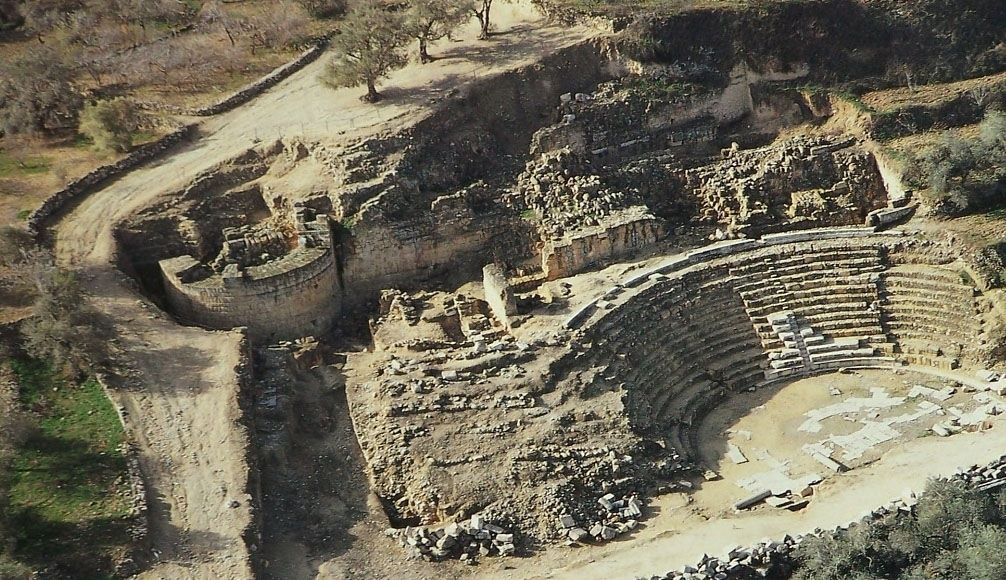
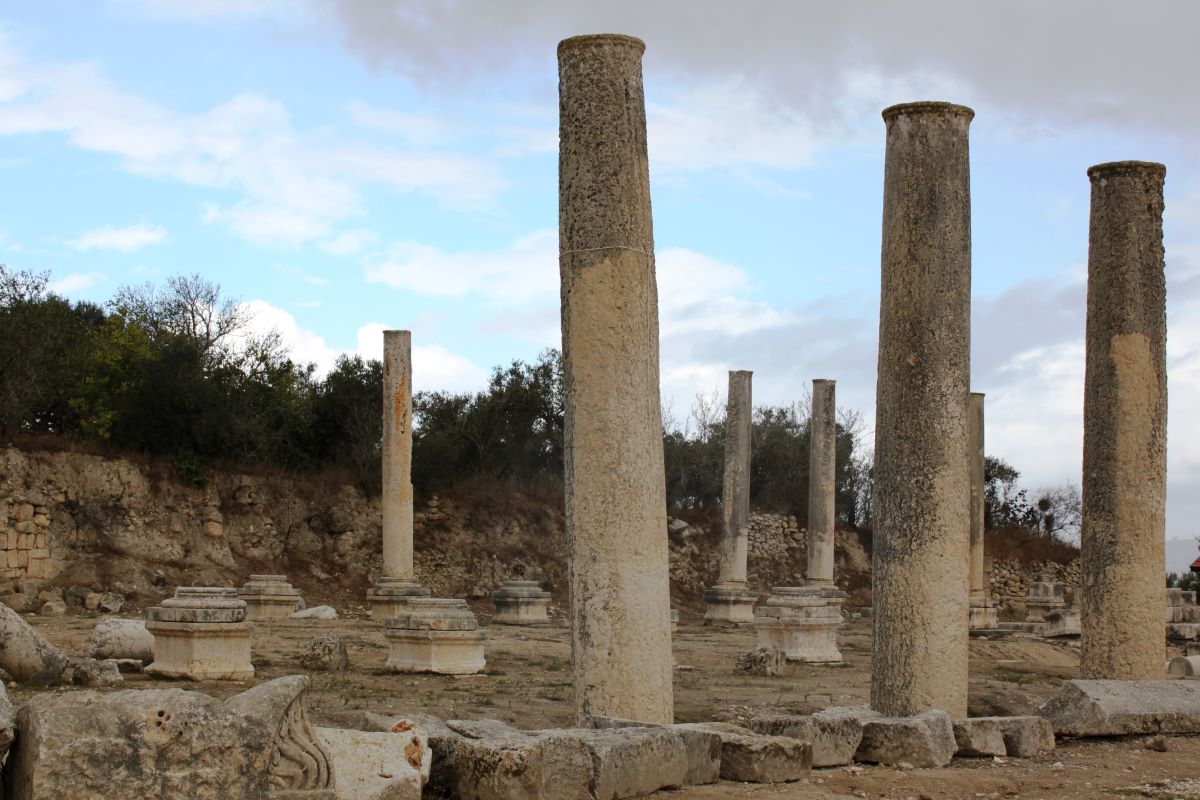
Sebastiya flourished during the second Iron Age as a regional capital. After the Assyrians captured it in 722 BCE during the reign of Sargon II, it became the administrative center of the Assyrian province in Palestine. Later, it fell under Persian rule and remained the capital of the central district in Palestine. Alexander the Great captured the city in 332 BCE, and massive fortifications, including a circular tower, were added. John Hyrcanus destroyed the city in 107 BCE, and in 63 CE, it became part of the province of Syria. Later, Emperor Augustus presented the city to Herod, who renamed it Sebaste in his honor (Sebaste in Greek means Augustus), and it was called Augusta by Severus in 299 CE. During the Roman period, extensive architectural projects were executed, including the city walls, gates, a colonnaded street with 600 columns, a church, a public square, a theater, a temple for Augustus, a stadium, an aqueduct, and tombs.
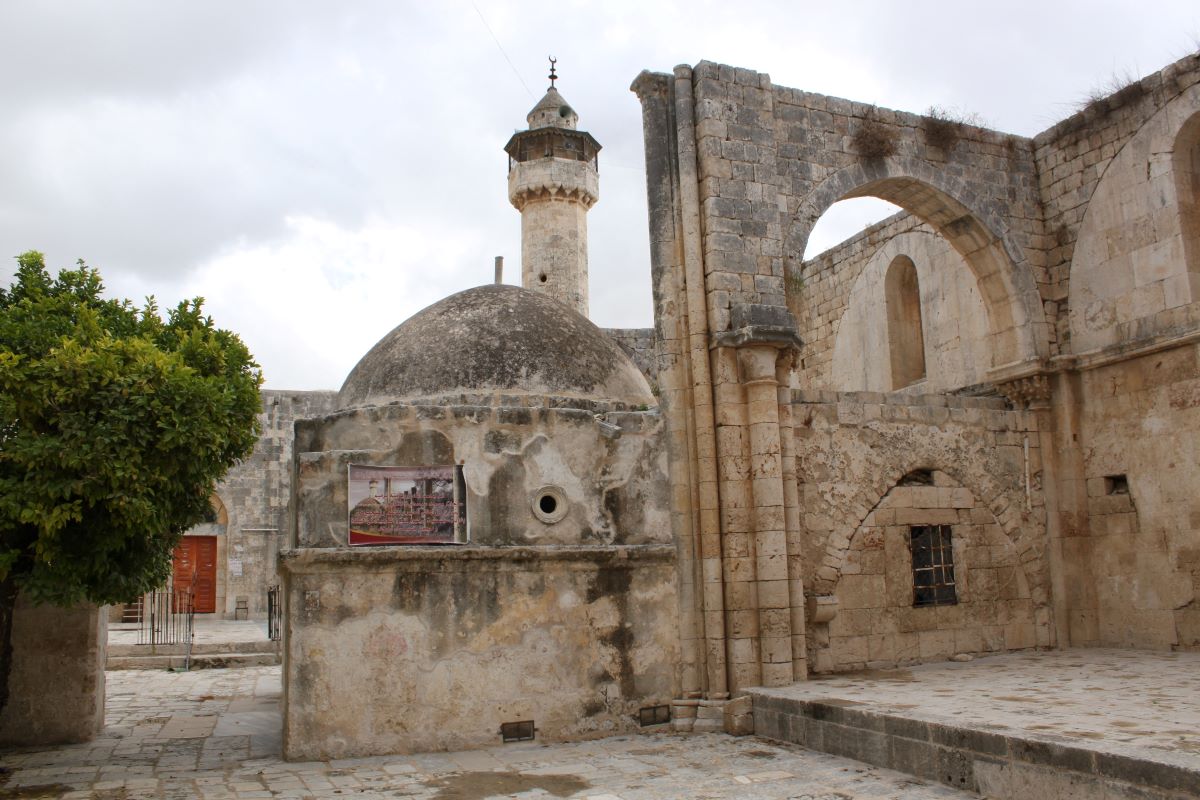
In the Byzantine period, Sebastiya became an episcopal seat, and a church was built in honor of St. John the Baptist on the southern slope of the castle. Two churches were constructed to honor St. John in the center of the old village, one Byzantine and the other for the Franks. A mosque was also built to honor the Prophet Yahya (St. John the Baptist).
The current town of Sebastiya, including its archaeological remains, the historic town, and its natural and cultural scenery, is a major tourist attraction in Palestine. Several restoration projects have been carried out in the historical center, including the restoration of the mosque and the shrine of the Prophet Yahya, the Cathedral of St. John the Baptist, the massive Roman mausoleum, the olive press, Kaid's Palace, and old buildings, as well as a pedestrian pathway.