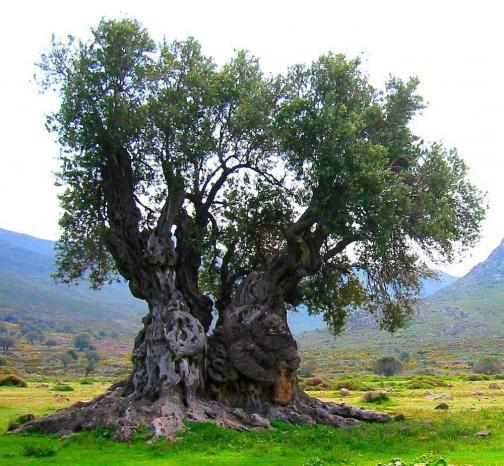
The olive tree is a long-lived and evergreen tree in the Mediterranean. The history of olive trees in Palestine dates back to about five thousand years when the Canaanites first cultivated them in the early Bronze Age. Archaeological excavations and historical sources indicate widespread olive cultivation and oil extraction throughout Palestine. Age measurements of olive trees in the Garden of Gethsemane in Jerusalem reveal their existence since the 10th and 11th centuries AD. The term "Gethsemane" is derived from Syriac, meaning an olive press.
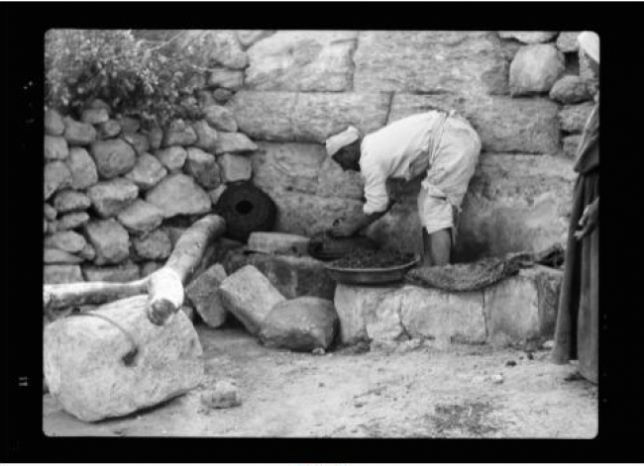
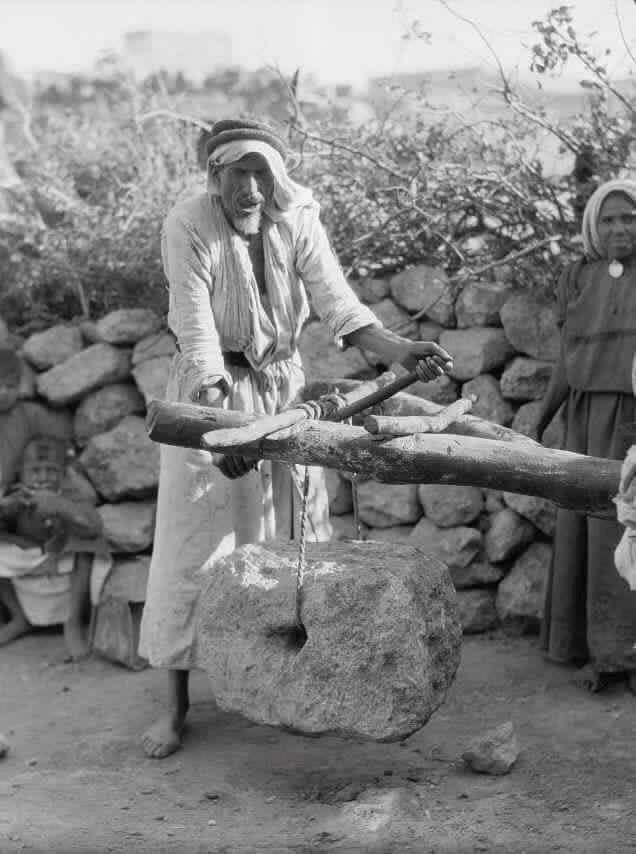
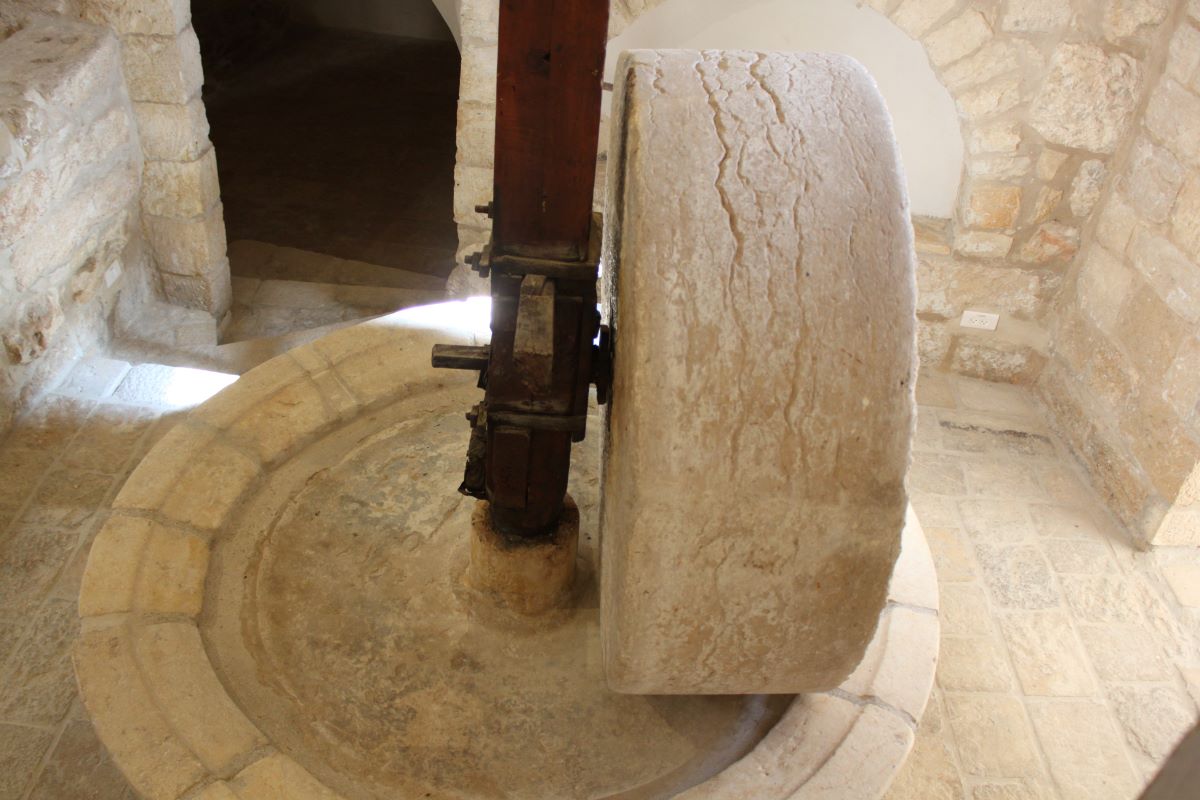
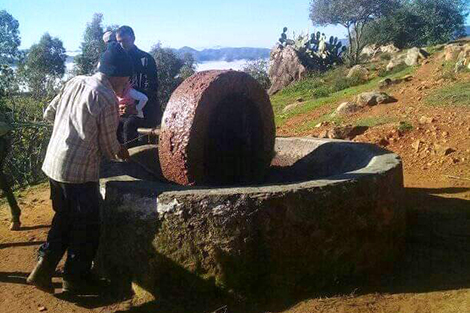
The process of olive oil extraction involved stone presses in Palestinian villages, using different methods, including the stone mortar press to meet urgent needs. The "Bad" system represented a significant advancement in the history of olive oil, allowing the mechanical power of animals and humans to efficiently rotate the stone and press the olives. The "Bad" system persisted in traditional Palestinian presses until the beginning of the last century when it was replaced by mechanical presses.
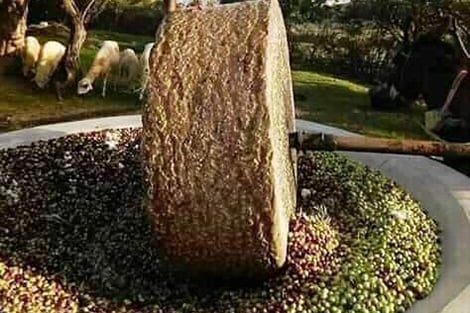
The "Bad" consists of a pierced round stone in its center called the "Duras," rotating on the edge of a horizontal stone called the "Qasa." Afterward, the crushed olive paste is compressed using a stone or metal press to extract and separate the oil from the pomace. The oil is then stored in various-sized ceramic jars for use in trade.
Common olive tree varieties in Palestine include Bari, Nabali, Hawari, Malisi, Suri, Shamali, and Dhakari, varying in quality and oil yield. The olive tree is a pillar of the agricultural economy in Palestine, serving as a source of food, medicine, and heating. The saying, "Oil builds the house," reflects the economic importance of olive oil, which was historically exported from Palestine to neighboring countries.
The olive tree holds deep meanings in Palestinian heritage, serving as a blessed tree in Islamic, Christian, and Jewish religious beliefs. It symbolizes eternity in the story of the flood, is linked to the ascension of Jesus on the Mount of Olives in Jerusalem, and is mentioned in the Quran as part of a great oath. The olive tree has become a symbol of security and peace.
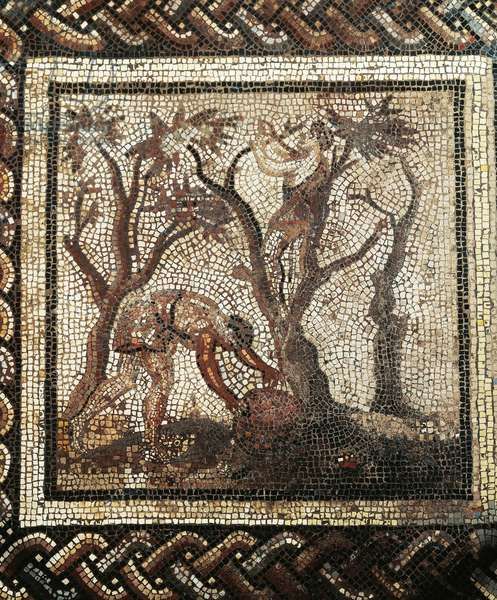
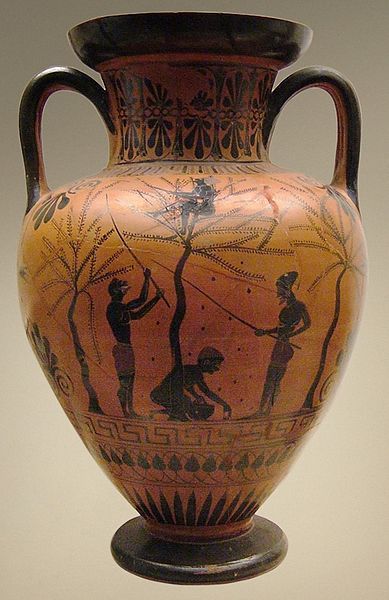
The olive harvest season, locally known as "Al-Jaddad," is an annual celebratory season in Palestine. Farmers often refer to a fertile year as "Masiyah" and a low-yield year as "Shaltoni." The harvesting process is traditionally done by hand or using a tool called "Al-Jaddadeh." In modern times, olive harvesting is also carried out using harvesting tools.
In 2005, under the theme "Palestine, Land of Olives and Vines," the olive tree was included in the national list of world heritage sites with outstanding universal value, representing both tangible and intangible aspects and being an essential part of Palestine's cultural landscape.