A network of water systems was constructed between the mountains of Hebron and Jerusalem to supply the cities of Jerusalem and Bethlehem with water. Two channels were established for the water system to bring water from Solomon's Pools to Jerusalem. These are the lower water channel from Ain Atan to Jerusalem and the upper water channel, which rises about thirty meters. Two other channels also carry water to Solomon's Pools from Wadi Arroub and Wadi Al-Biyar.
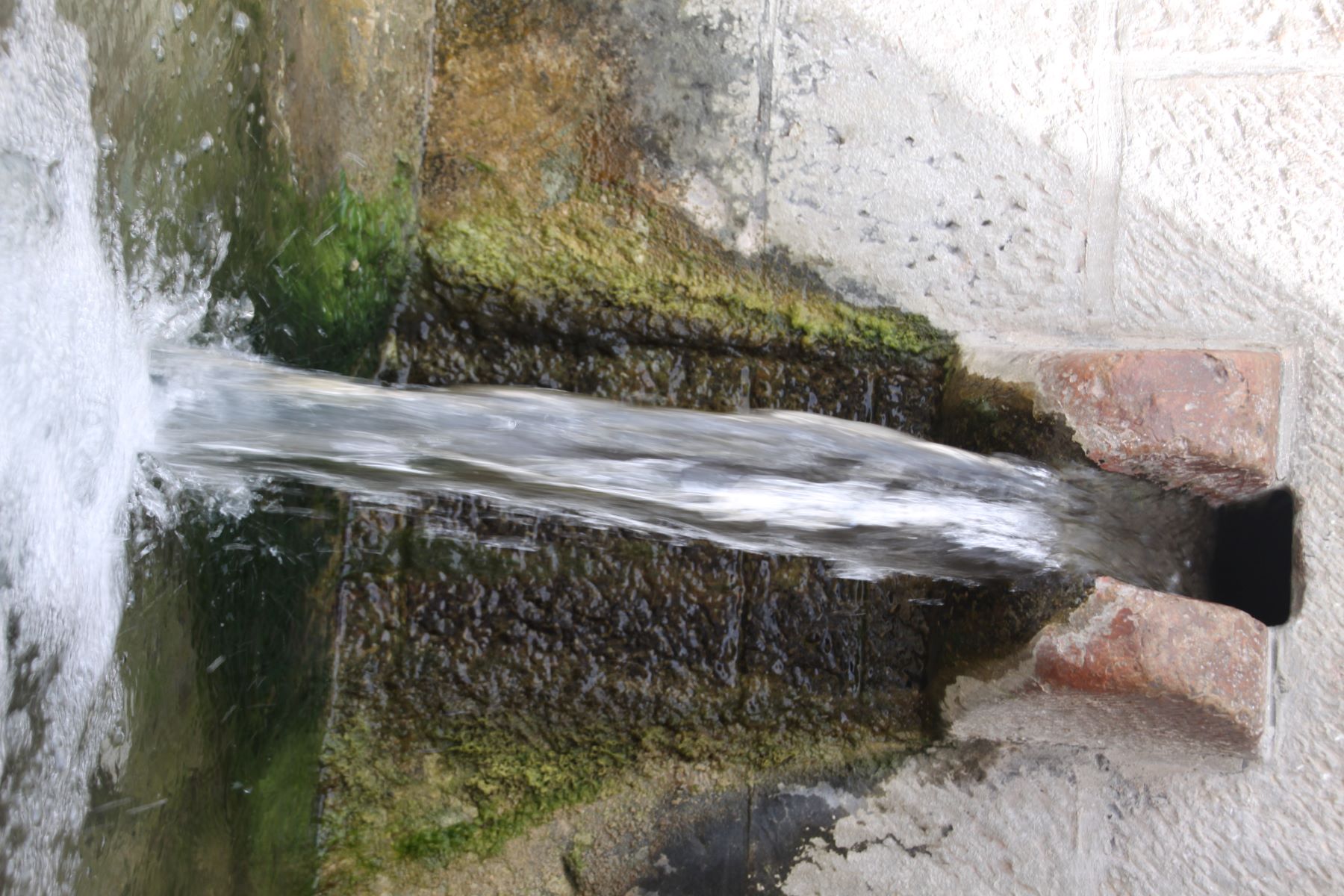
The water channel in Wadi Arroub is known as the "Sabil Channel." When tracing its path, it becomes apparent that it transports water from Solomon's Pools underground through Bethlehem, traversing the Jihon Valley and running parallel to the western slope of the Thouri Valley until it reaches the Noble Sanctuary in Jerusalem. The water channel passes through the mountainous areas of Bethlehem, then turns along the edges of the hills until it enters a tunnel near the village of Sur Baher, south of Jerusalem. It runs along the mountain slopes and parallel to the southern slopes of Jerusalem until it reaches the area of the Noble Sanctuary, where cisterns and channels were built for this purpose. The length of the Sabil water channel is approximately 68 kilometers.
The Sabil Channel is considered the longest water channel in Palestine, and it has been in use for several centuries. It holds a unique function in the cultural traditions of the residents of Jerusalem and Bethlehem, playing a crucial role in the traditional settlement of people and land use, especially in the Arroub Valley.
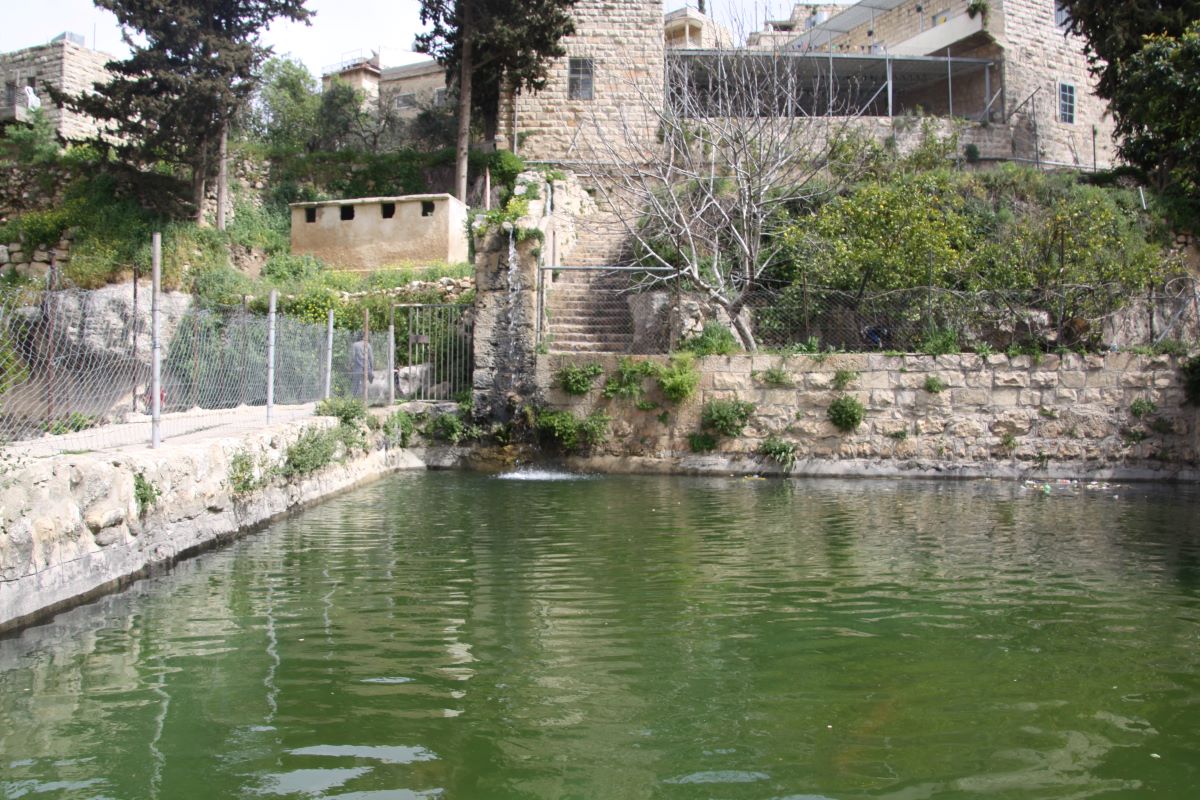
The water systems in Jerusalem work to convey water from both Wadi Arroub and Ain Al-Baloua to Jerusalem. These sources are located south of Jerusalem and consist of three main clusters: Wadi Arroub, which rises 810 meters above sea level; Wadi Al-Biyar, which rises 870 meters above sea level; and Solomon's Pools, which rise 800 meters above sea level. The Arroub Channel runs between Ain Kuziba and the hills of Hebron to Solomon's Pools, covering a distance of about forty kilometers. The channel collects water from the springs of Wadi Arroub, which accumulates and is stored.
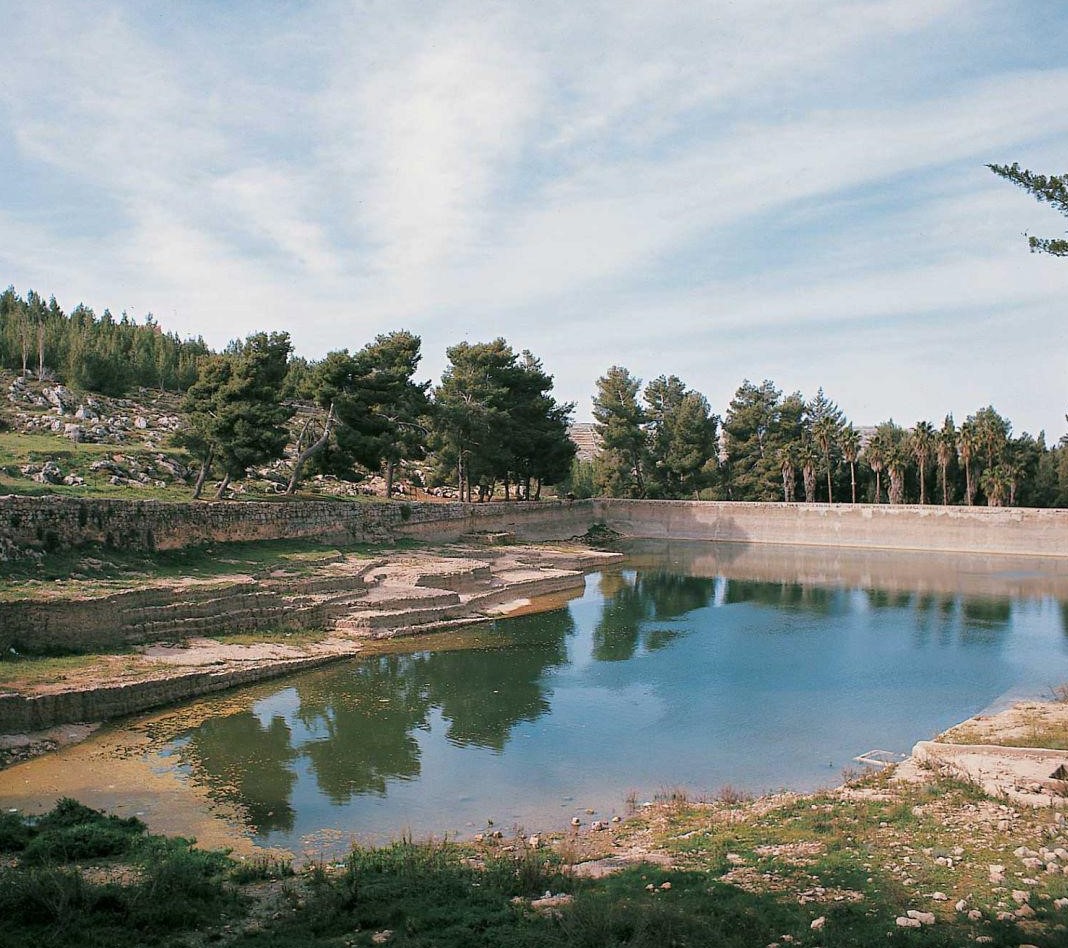
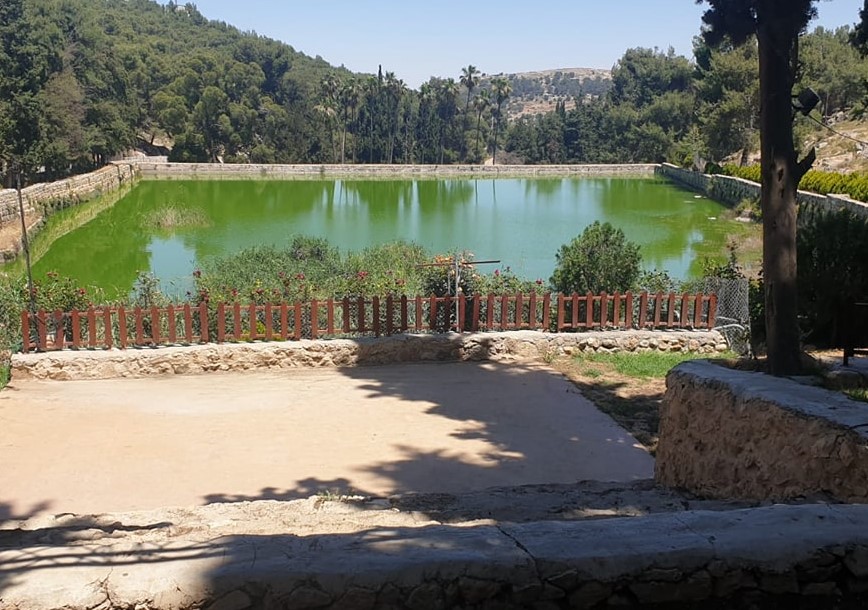
Four kilometers south of Bethlehem are Solomon's Pools, also known as the Marajee Pools, consisting of three pools extending from west to east for a distance of 500 meters. They are named after the Ottoman Sultan Suleiman the Magnificent, who renovated the water channels supplying Jerusalem with water.
The water system in the upper part of Wadi Arroub was established during the Roman period, from 37 BCE to 325 CE, by building two reservoirs. This system evolved during the Islamic periods by constructing the third large reservoir during the Mamluk Sultanate under the reign of Sultan Al-Zahir Khushqadam in 1460 CE.
The water system that supplied Jerusalem from the early Roman period until the British Mandate era forms a unique system, considering the long distance the water traveled, whether flowing into the pools from Wadi Al-Biyar or leaving them towards Jerusalem, covering a distance of about 44 kilometers.
Due to the significance of this water source, a fortress was built for protective purposes called the "Qal'at Al-Birk," located north of the upper pool east of the Jerusalem-Hebron road. It was constructed during the reign of Sultan Ottoman II, Ahmed's son, in 1617 CE, to protect the pools, water sources, and pilgrim caravans from attacks. The fortress played a vital role in maintaining security and guarding the springs and the Sabil Channel for an extended period. The fortress consists of a rectangular building, measuring 70 meters from south to north and 45 meters from east to west, with a wall thickness of 40 cm. Its total area is about 3528 square meters, with one main entrance in the middle of the west wall featuring an inscription indicating the construction date. In each corner of the fortress, there is a square-shaped tower with two floors. The upper part of each tower shows arrow openings, while the lower part has an entrance leading into the fortress with a staircase to the upper floor. The fortress comprises fifty small rooms built on the east-west wall designated for soldiers' residence, their belongings, and equipment. In the southwest corner, a small mosque was built, and the fortress has an internal courtyard of about three dunams allocated for the rest of the horses and soldiers. The southern part contains a spring specific to the fortress known as "Ain Al-Qal'a," recently restored as part of a large tourism project in the area.