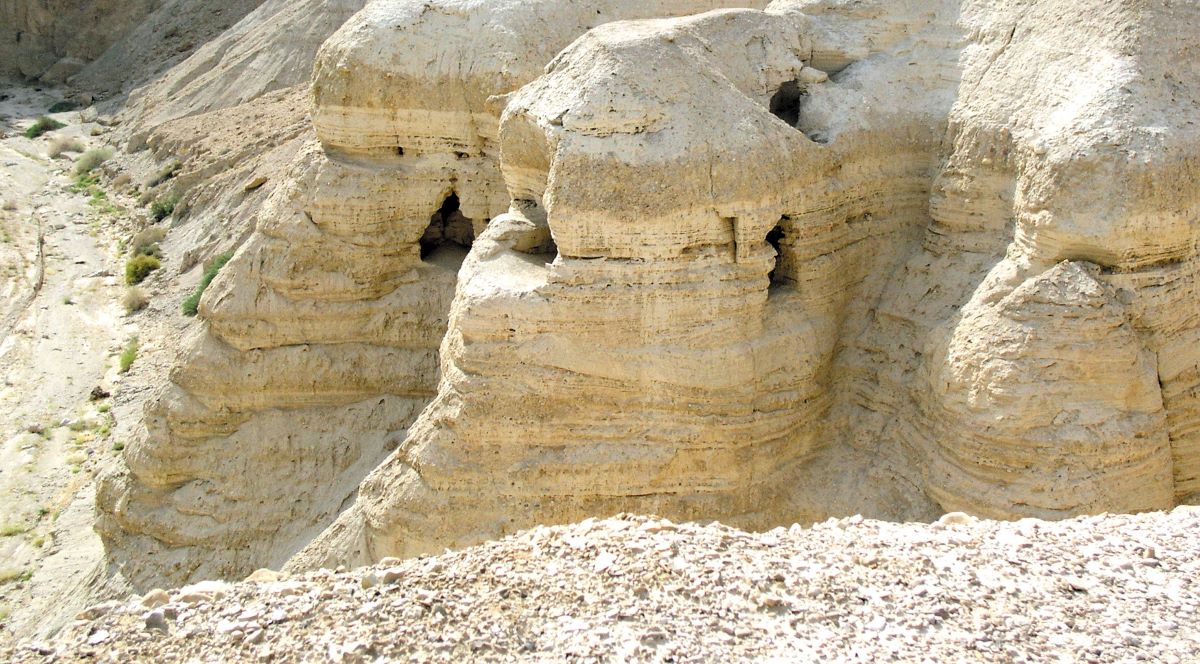
Khirbet Qumran is located 15 km south of Jericho, on the western shore of the Dead Sea. This is the site where the famous Dead Sea Scrolls were discovered. According to popular accounts, a Palestinian shepherd found these manuscripts in 1947, leading to an extensive search for manuscripts in the surrounding caves and excavations at the site. The Department of Antiquities of Jordan, in collaboration with the École Biblique in Jerusalem, conducted the excavations, revealing a significant number of manuscripts and thousands of fragments in caves overlooking the Dead Sea. The monastery belonged to the Essene sect, who lived in seclusion on the shores of the Dead Sea, practicing their rituals away from public life.
The manuscripts include copies of the Bible, apocryphal writings, writings of the Qumran community, including interpretations and sect laws, and manuscripts of the War of the Sons of Light against the Sons of Darkness and the Damascus Document. The dating of these manuscripts ranges from the 2nd century BCE to 68 CE, primarily dating to the 1st century CE. The study of these manuscripts has become an academic field known as the Dead Sea Scrolls studies, providing valuable information about the history of Judaism and the early stages of the development of Christianity.
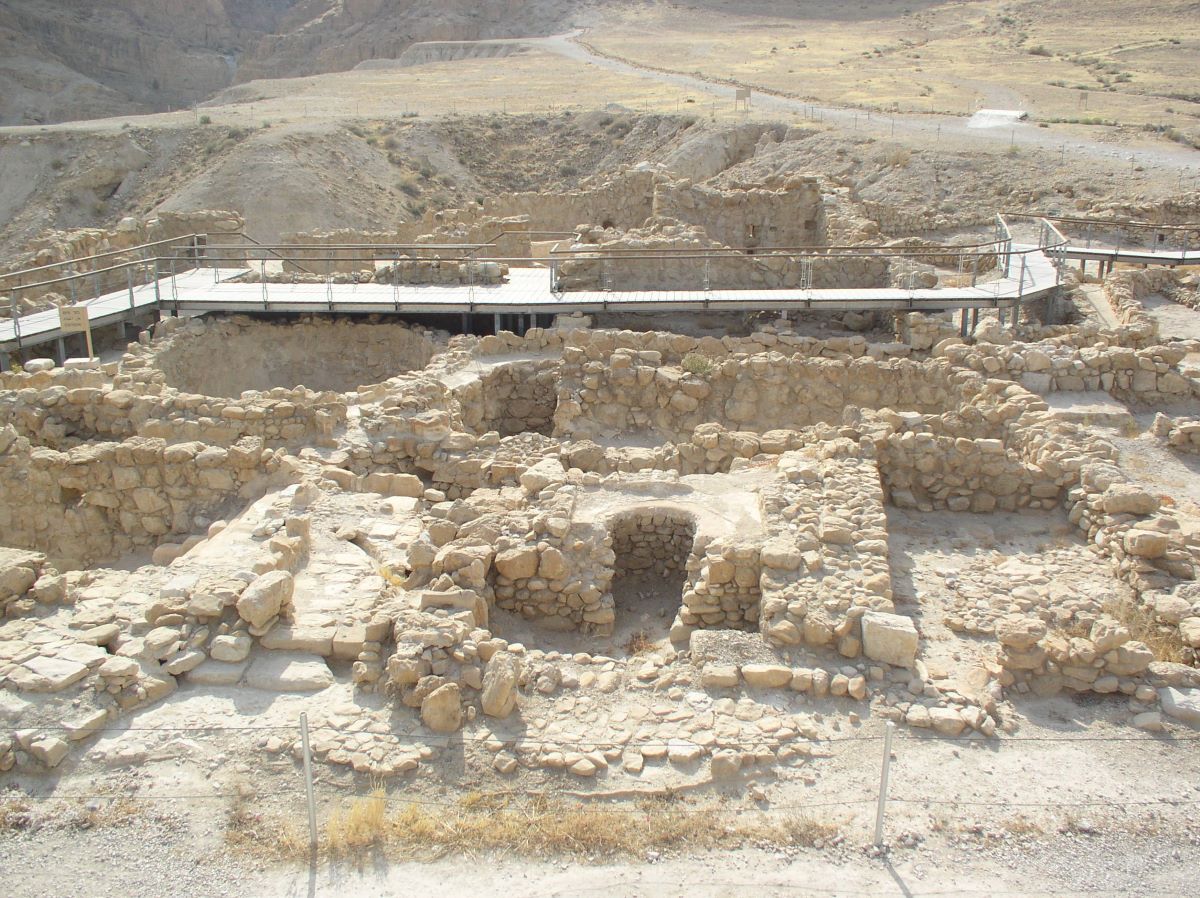
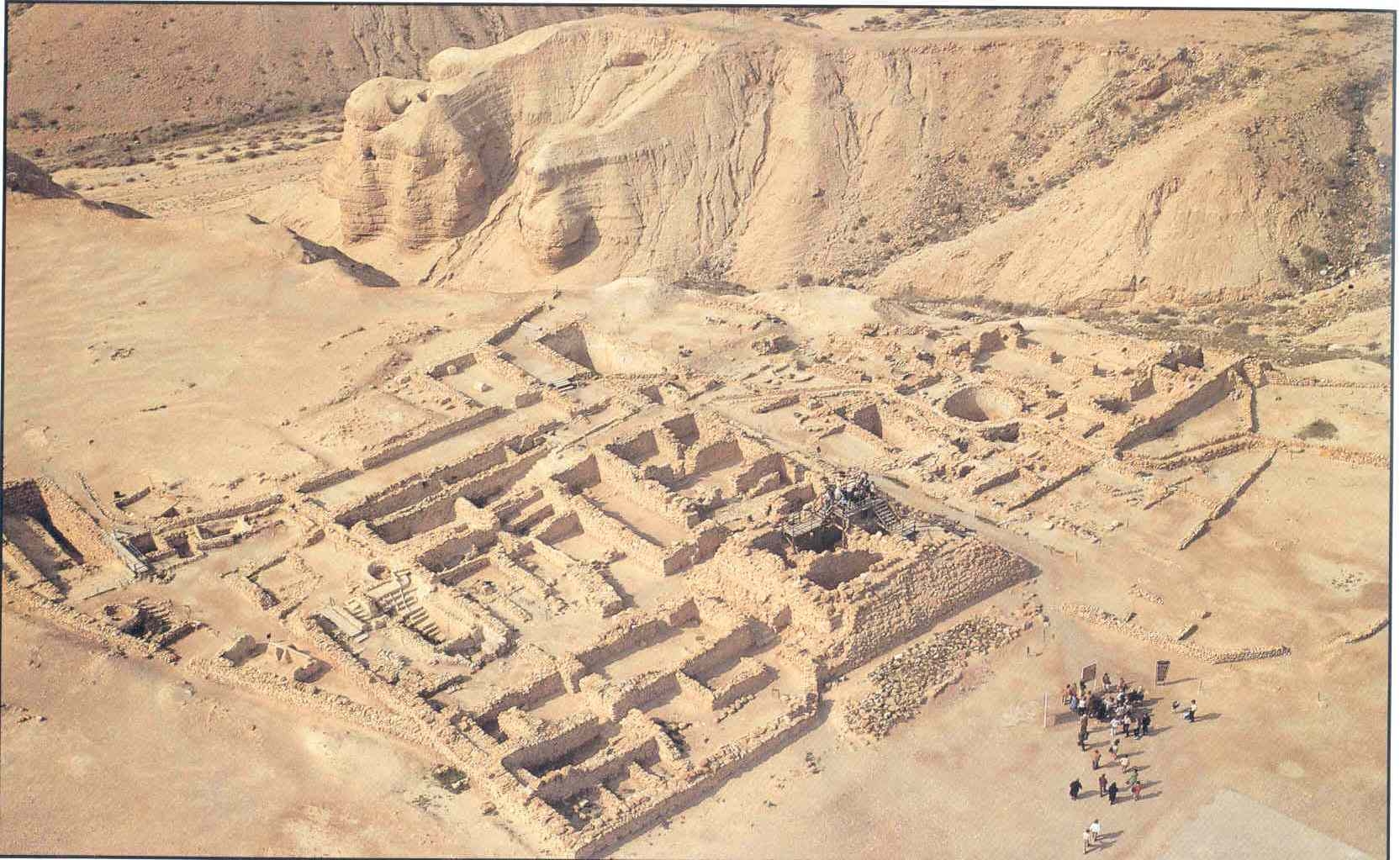
After the discovery of these manuscripts, numerous excavations were carried out at the site and the surrounding caves. A large complex of buildings was uncovered, including communal facilities, an advanced water system consisting of numerous pools, cisterns, a library, a dining hall, and a large cemetery.