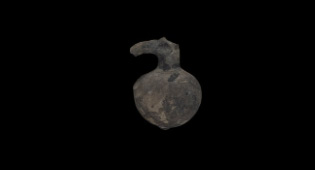
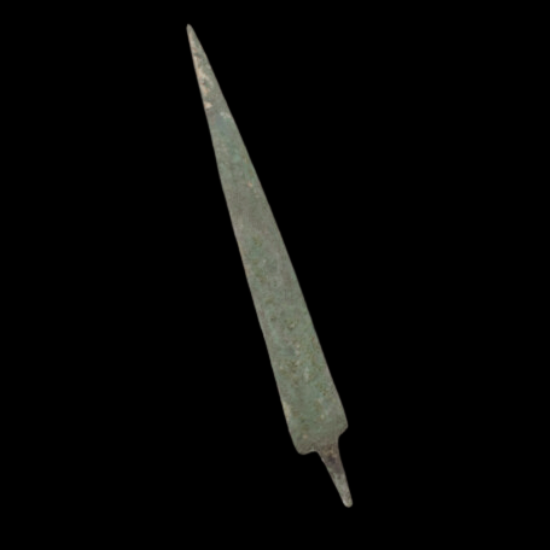
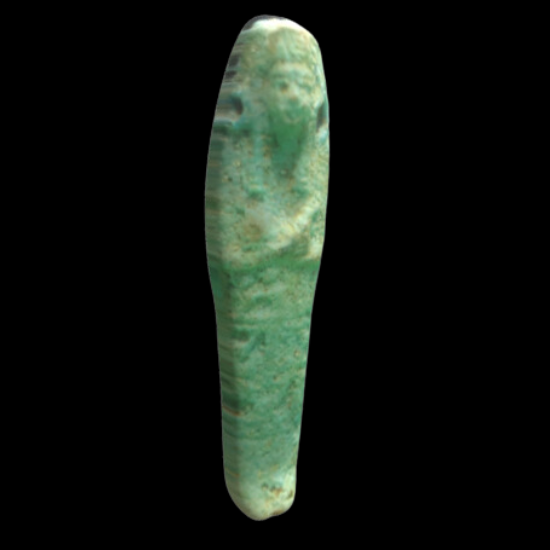
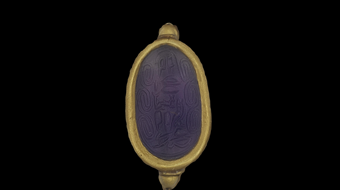
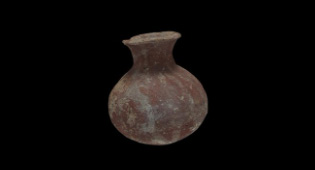
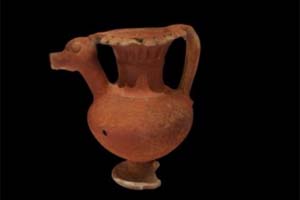
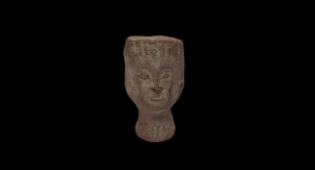
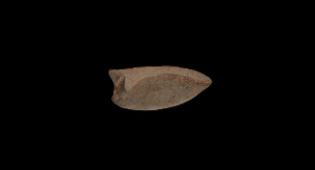
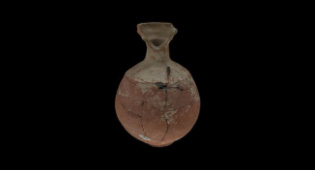
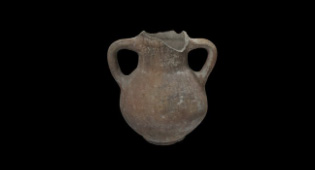
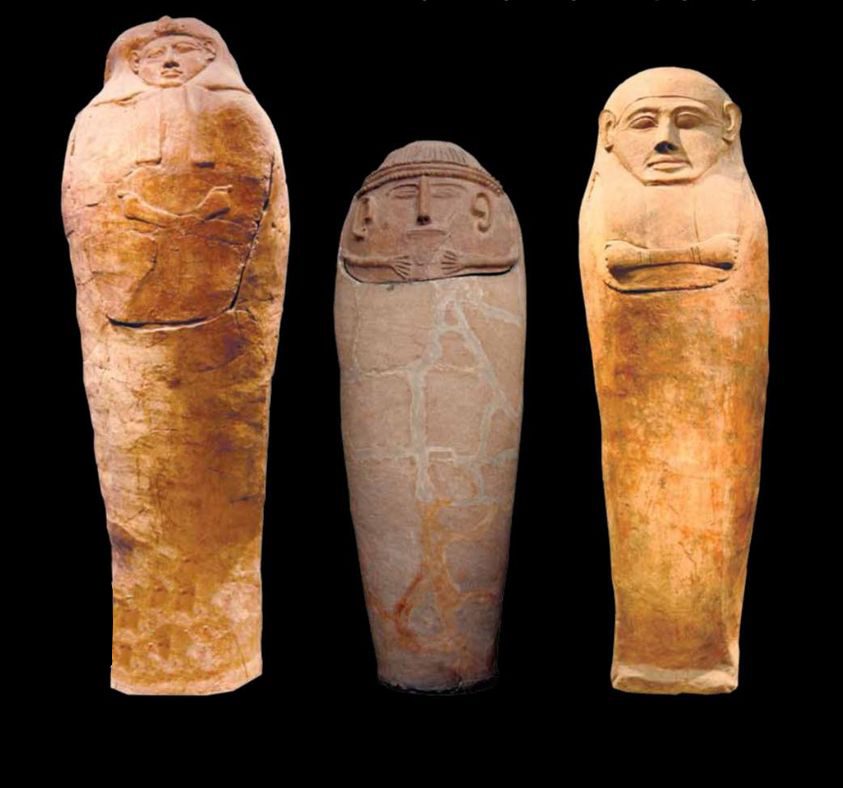
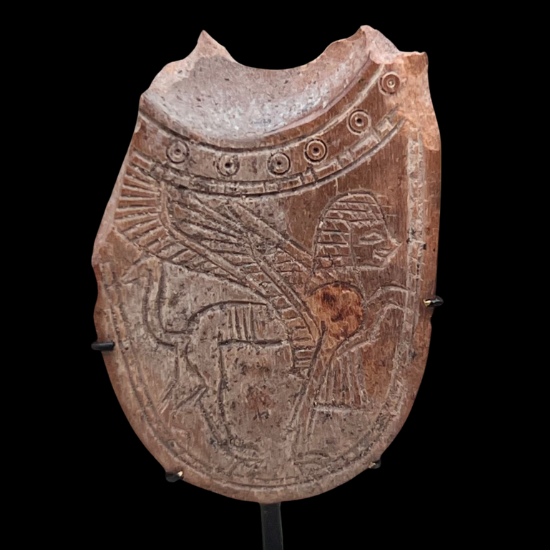
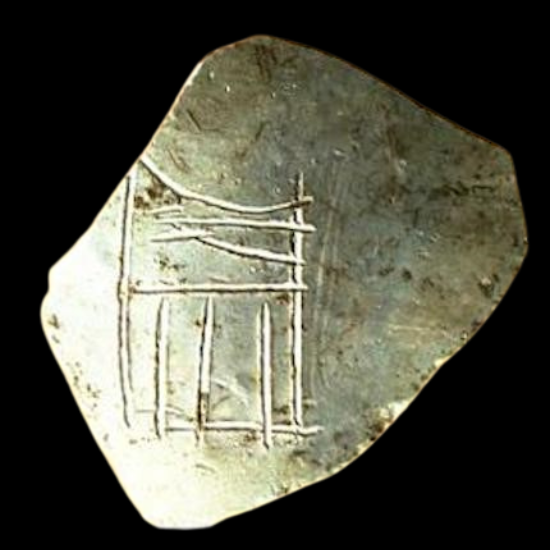
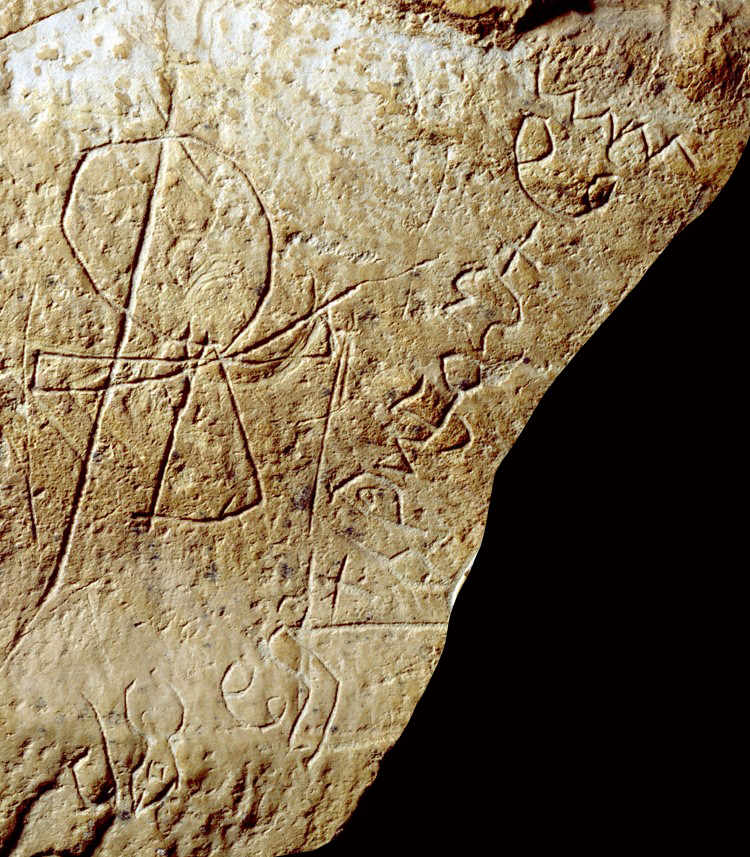
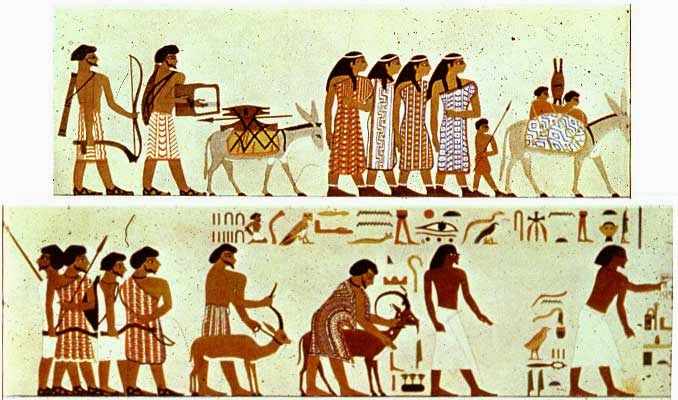
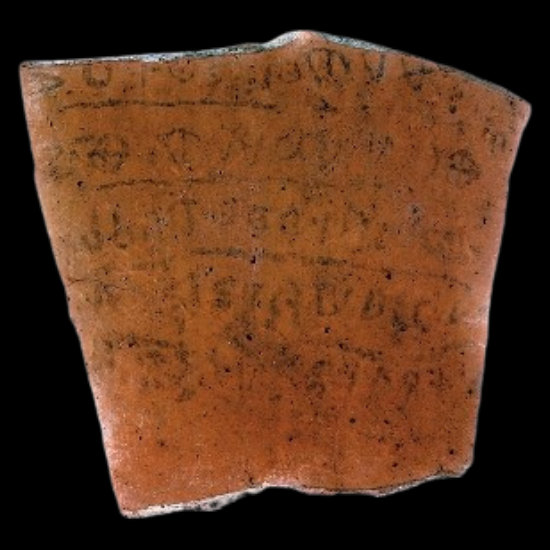
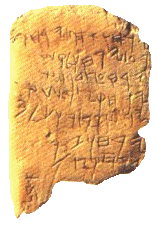
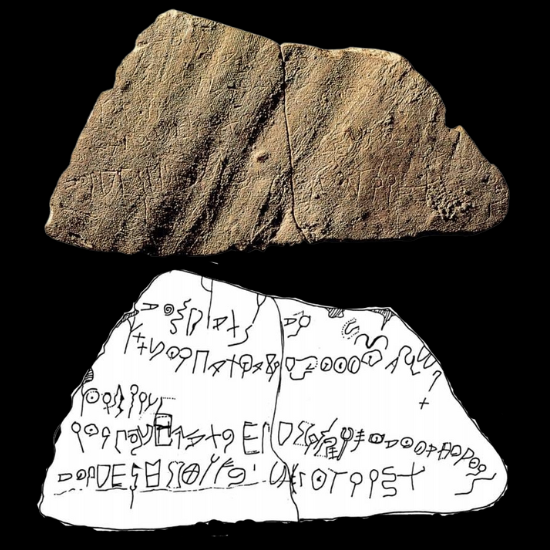
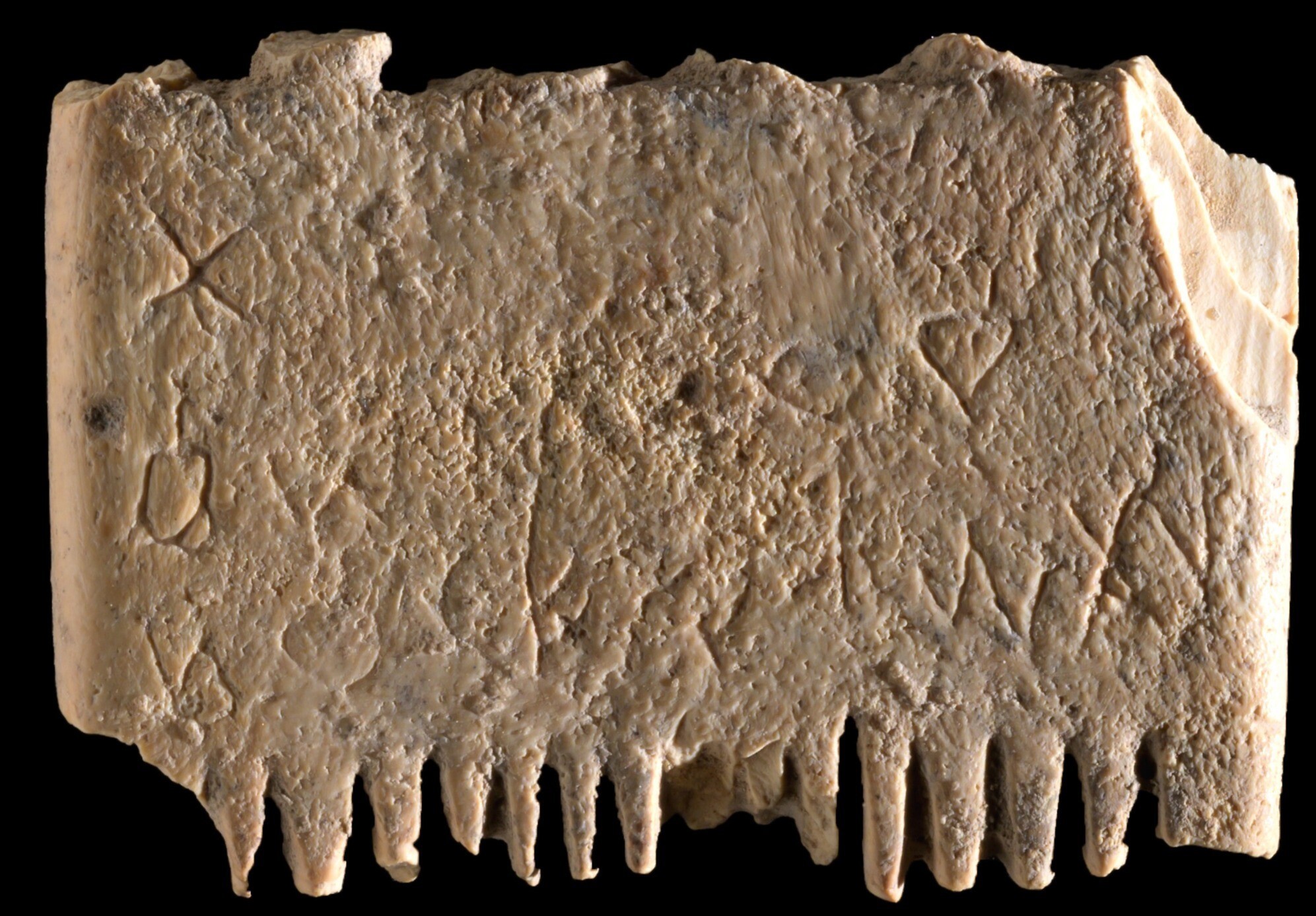
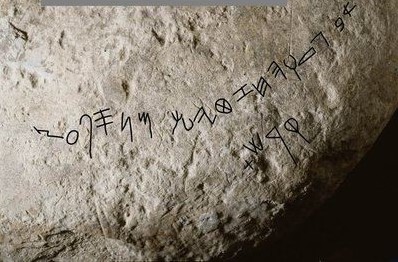
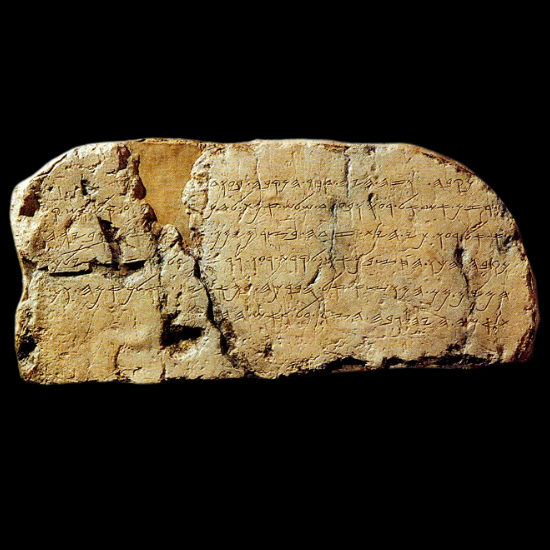
This is the period extending from the early 3rd millennium BCE to the 5th century BCE. It encompasses the Bronze Age and is known as the Canaanite period. During this period, major cities emerged in Palestine, characterized by urban planning, fortified walls, and public buildings such as temples and statues. It was associated with the emergence of a political system known as the city-state. Early in this period, humans invented writing, which appeared in Mesopotamia and Egypt and evolved into the emergence of alphabetic writing in the 14th century BCE in the land of Canaan. The metal industry developed significantly with the production of bronze, a mixture of lead and copper, used in the manufacturing of agricultural tools and weapons. Pottery production advanced with the introduction of the fast wheel, enabling the production of pottery in various shapes and sizes. The economy of this period relied on agriculture, industry, and trade, with maritime trade expanding with Egypt and Eastern Mediterranean countries. Palestine exported grains and olive oil to neighboring lands. Notable centers of these cities included Jerusalem, Tel Beilat, Tel Sultan, Tel Taanach, Tel Rumeida, and Tel Ajul. In the Iron Age, political kingdoms emerged with the rise of ancient Palestinians and Hebrews on the political stage. The name Palestine is attributed to the ancient Palestinians. Iron became widely used in the production of agricultural tools and weapons. In the 5th century BCE, Palestine came under the rule of the Persian Empire, marking the beginning of the use of metal coinage as a means of economic exchange, replacing the barter system.