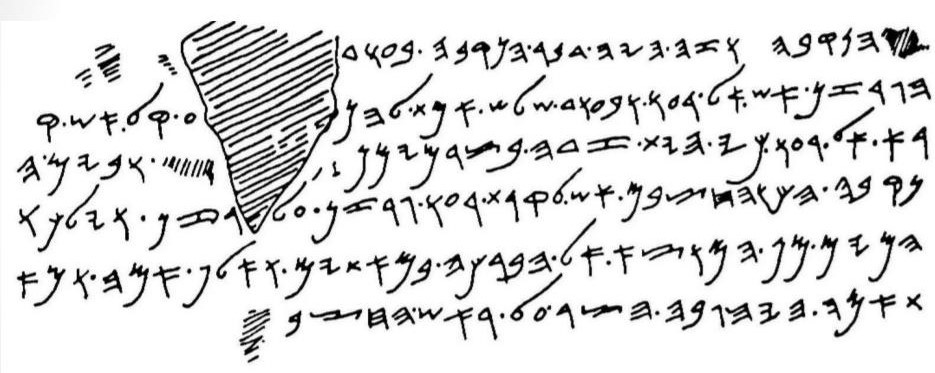
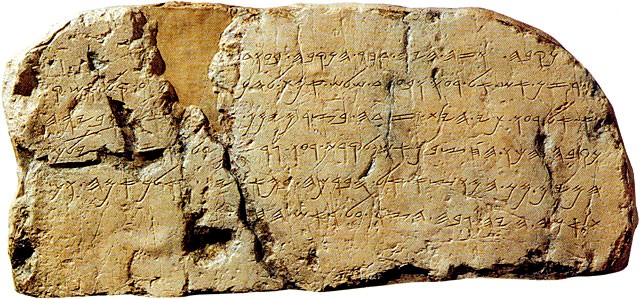
The inscription was discovered in 1880 on the inner wall of the Siloam Tunnel in the city of Jerusalem. The inscription was cut and stolen, and after its recovery, it was transferred to the Istanbul Museum in Turkey. It consists of six lines, dating back to the end of the 8th century BCE. Some attribute it to the Hellenistic period, and the text celebrates the moment when two teams of workers met in digging the tunnel or the watercourse, which was a significant event in the history of Jerusalem. The inscription occupies the lower part of a hollow rectangle, 50 cm in length and 66 cm in height. The text is written in distinct characters, with words separated by dots. The script is similar to that found in Moabite and Phoenician writings and inscriptions. While the tops of the letters are angular, their tails are long and curved.
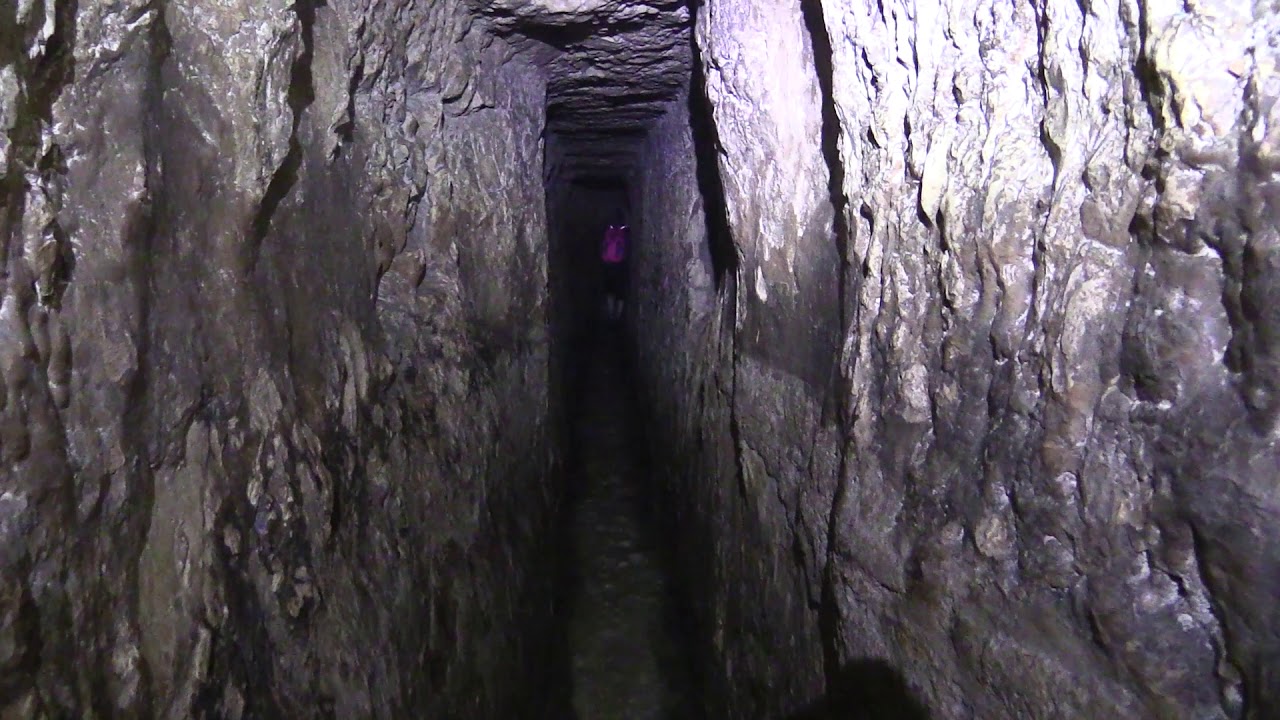
The inscription immortalizes the moment when two teams of excavators (one starting from the spring of the Virgin Mary outside the city, and the other from within the city walls) met, signaling the completion of the digging process. The inscription describes the carving of limestone in the mountain to bring water from the spring of the Virgin Mary to the Silwan pool, which may have been inside the walls of the city of Jerusalem. The workers carved into the mountain from both sides, and the work continued until the workers met in the middle. The tunnel's length with its twists is 533 meters, and its width is 70–80 cm. The text does not contain any historical information, and it does not mention any scientific name, place name, deity name, or king's name at all. In any case, it cannot be considered a royal inscription.