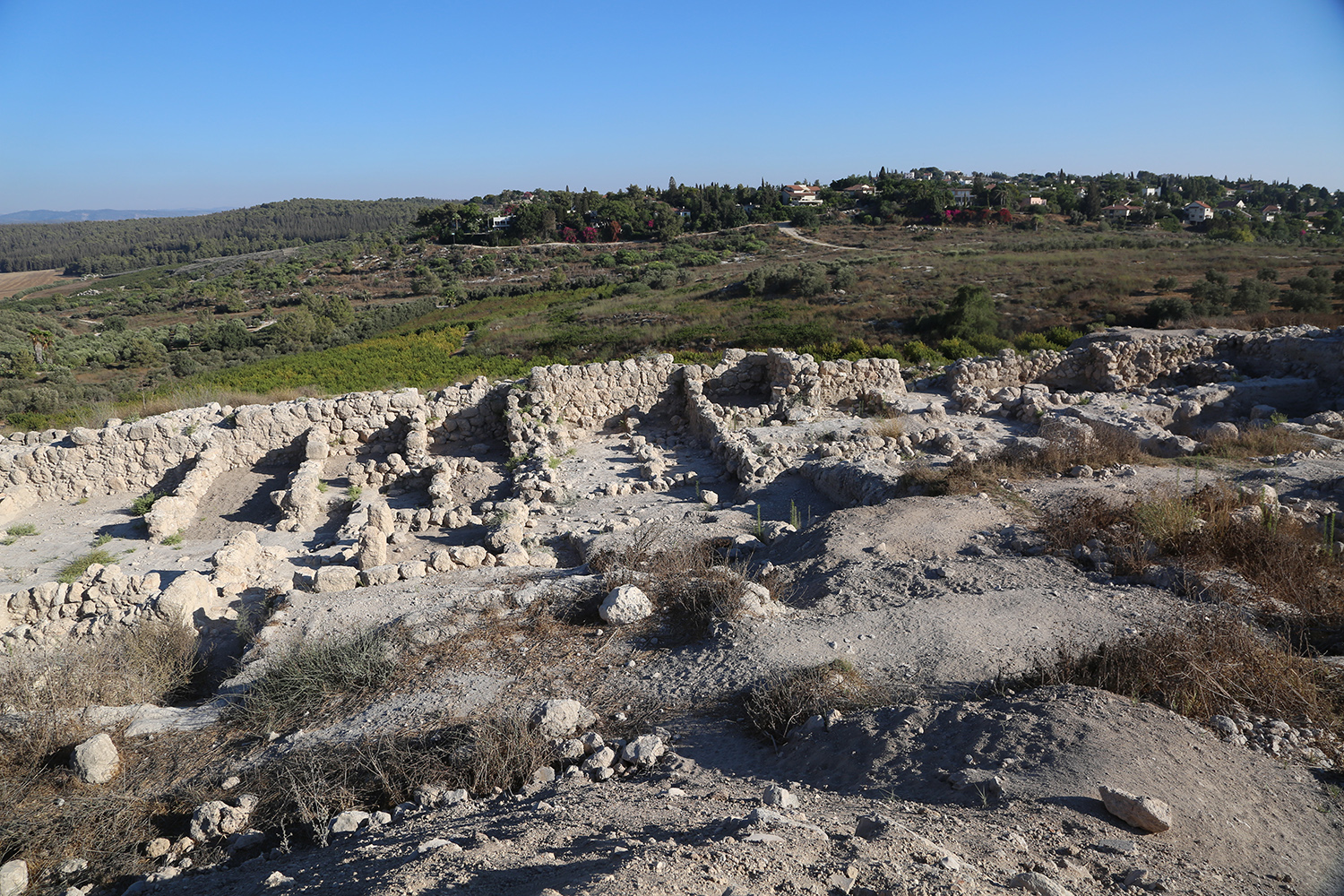
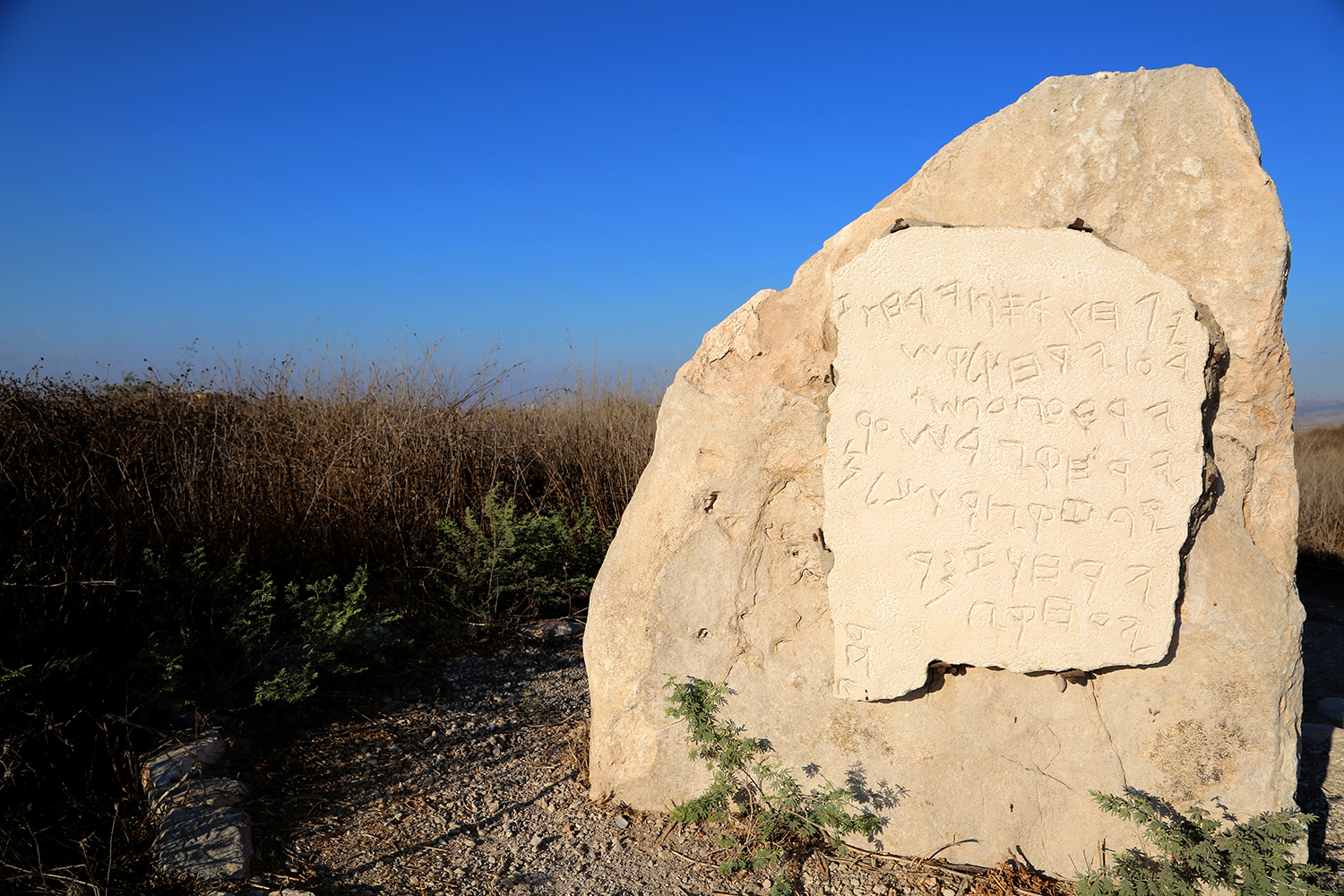
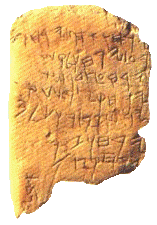
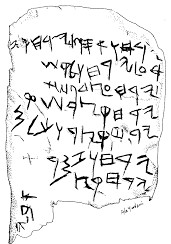
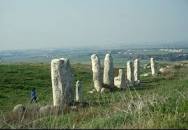
A soft limestone slab inscribed with Canaanite Phoenician alphabet, dating back to the 10th century BCE, was discovered during archaeological excavations in 1908 at Tel el-Jazar - Abu Shusha (Jazar), northwest of Jerusalem. It is currently housed in the Museum of the Ancient Orient in Istanbul. The text consists of six lines describing the agricultural calendar of Palestinian farmers, estimating seasons in months, detailing agricultural activities, and specifying the duration for tasks such as plowing, harvesting, planting, or tending to specific crops. Some experts consider the inscription as an educational exercise. Its significance lies in reflecting the annual agricultural calendar of Palestinian farmers, supported by ethnographic evidence from traditional Palestinian farming communities, particularly in the studies of the German ethnographer Gustaf Dalman on the Palestinian agricultural calendar, notably in his book "Work and Customs in Palestine."
Inscription translation:
- Two months for olive picking (October-November)
- Two months for Sowing grains (December-January)
- Two months for late cultivation (February-March)
- One month for plowing the linen field (April)
- One month for harvesting barley (May)
- One month for harvesting and celebrations (June)
- One month for tending to the vineyard (July-August)
- One month for summer fruits (September)