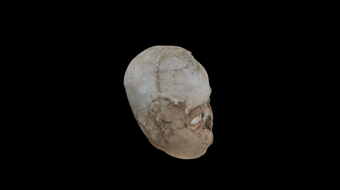
This period extends from the dawn of the Lower Paleolithic era over a million years ago to the Chalcolithic era, approximately four thousand years before the Common Era (BCE). It is divided into the Lower, Middle, and Upper Paleolithic.
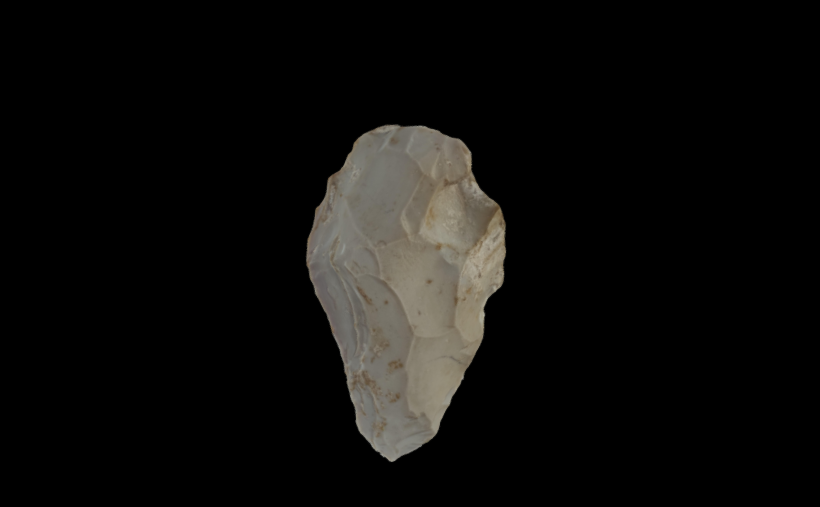
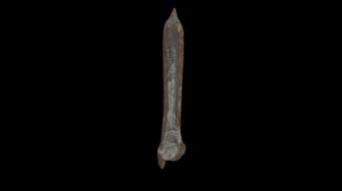
The cultures of the Paleolithic era were named after the representative sites where they were discovered. These cultures include the Acheulian, Tayacian, Levalloisian, Mousterian, Aurignacian, Kebaran, and Natufian cultures. The latter cultures were named after the Wadi Natuf near the village of Shuqba and the cave of El Khiamah in the Carmel Mountains. In this period, humans used tools made of flint, such as hand axes, stone knives, and scrapers, as well as tools made from bone.
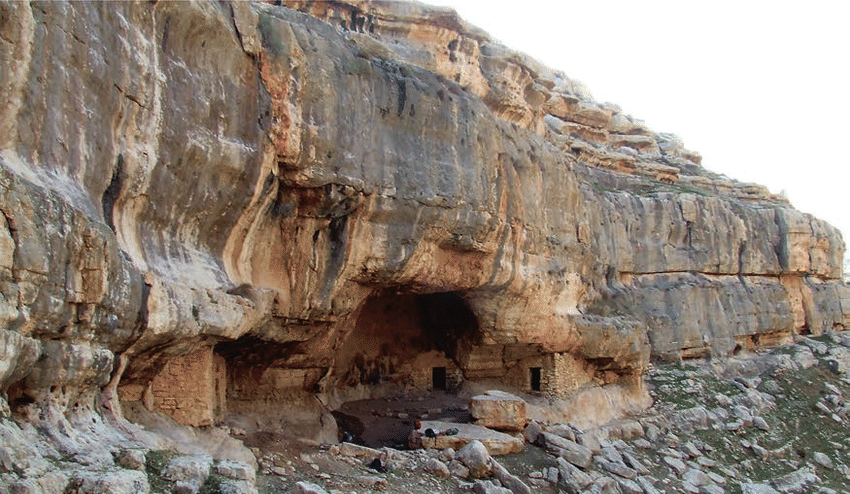
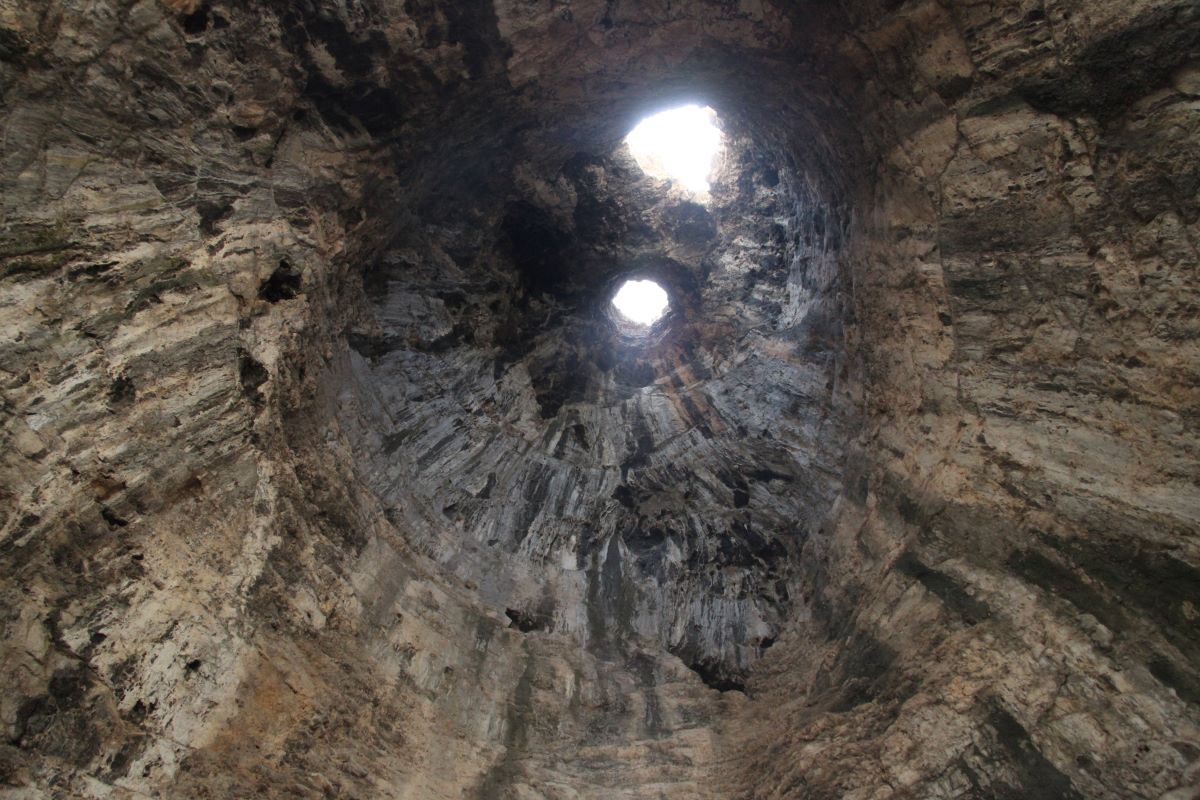
During this period, humans lived in natural caves and open areas in small groups. Their economy relied on hunting, gathering wild fruits, and plants. Evidence from Um Qatafa Cave in Wadi Khreitoun in the Bethlehem wilderness indicates the use of fire for the first time in cave habitation, and traces of the first humans were found in the Galilee Mountains, Carmel, and Wadi Khreitoun.
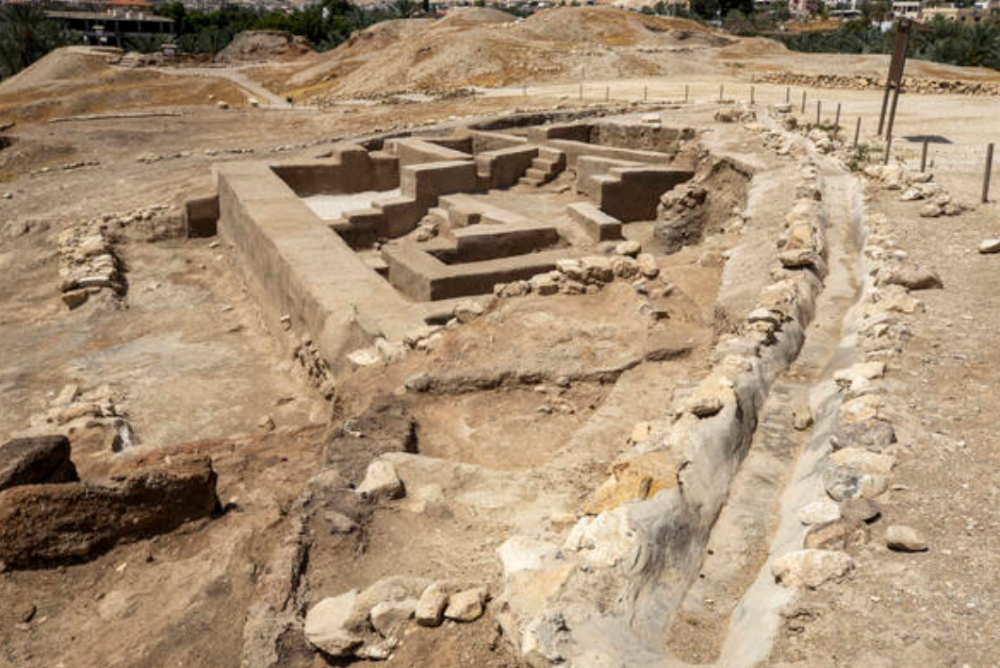
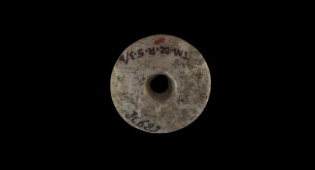
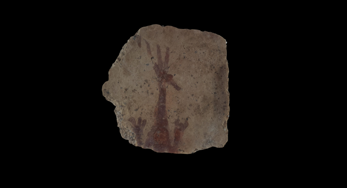
In the Neolithic period, humans began to settle and live in fixed locations, marking the beginning of the agricultural revolution. Humans practiced agriculture, animal domestication, and initiated pottery production. Jericho's Tell es-Sultan is one of Palestine's earliest agricultural villages. During the transitional period known as the Chalcolithic era, humans engaged in mining and crafted tools from copper. This era witnessed the emergence of secondary dairy production, such as butter and cheese, allowing for their long-term preservation and storage.