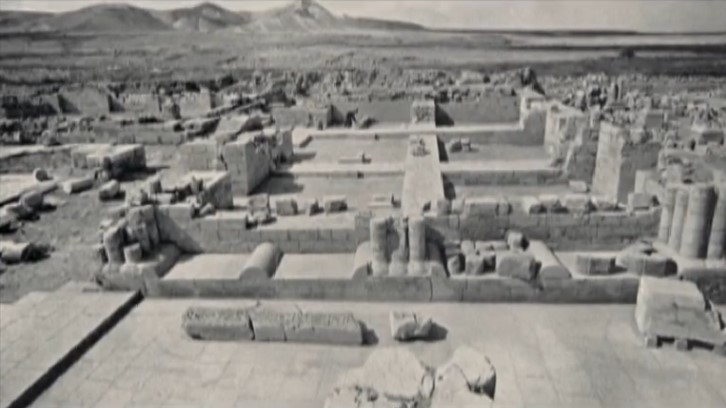
This period includes the Rightly Guided Caliphate and the Umayyad, Abbasid, and Fatimid periods. After the decisive battle of Yarmouk, the Muslim Arabs took control of Palestine and the Levant, and took Damascus as their capital, and Jerusalem was conquered in 637 AD. Muawiyah Ibn Abi Sufyan was declared caliph in the year 660 in the city of Jerusalem, and Palestine flourished greatly during the Umayyad period. Abd al-Malik ibn Marwan and his son al-Walid built the Dome of the Rock and the blessed Al-Aqsa Mosque, and Suleiman built the city of Ramla, and the cities and villages were rebuilt. The Umayyad palaces are considered south of the Al-Aqsa Mosque and the Al-Aqsa Palace. Hisham in Jericho is an example of Umayyad architecture in this period.
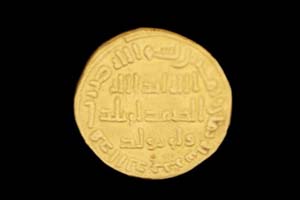
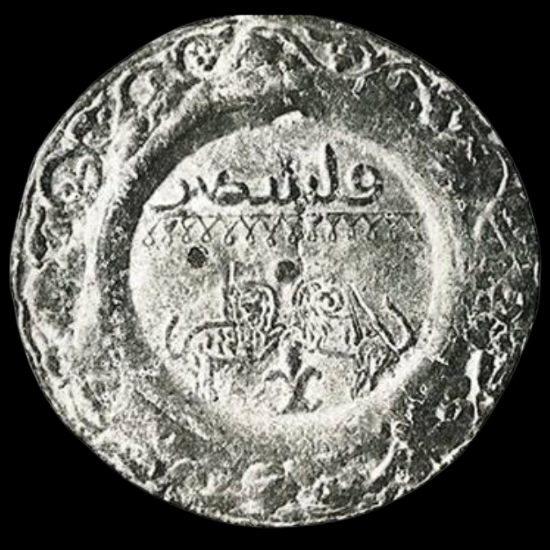
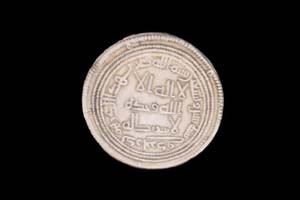
Traces of the Umayyad period appeared in the city of Jerusalem, Ramla, Beisan, Hisham’s Palace, Minya Palace, and other sites. Gold dinars, silver dirhams, and bronze coins were minted, which carried information about the role of coinage, its dates, rulers, and religious sayings on both sides.
After the end of Umayyad rule in 750 AD, the caliphate passed to the Abbasids, who moved their capital to Baghdad in Iraq. The interest of the Abbasid caliphs in Palestine in general and Jerusalem in particular continued, as reforms were made to the Holy Mosque and the holy places during the reigns of Abu Jaafar Al-Mansur, Harun Al-Rashid, and Al-Ma’mun. With the weakness of the central Abbasid Caliphate, Palestine passed to the rule of the Tulunid and Ikhshidid states, which nominally followed the Abbasid Caliph in Baghdad. Palestine was then subjected to the rule of the Fatimid state, and they fortified its cities and strengthened its naval defenses. Fatimid dinars were also minted in Palestine, and Fatimid rule continued in Palestine until the arrival of the Franks.