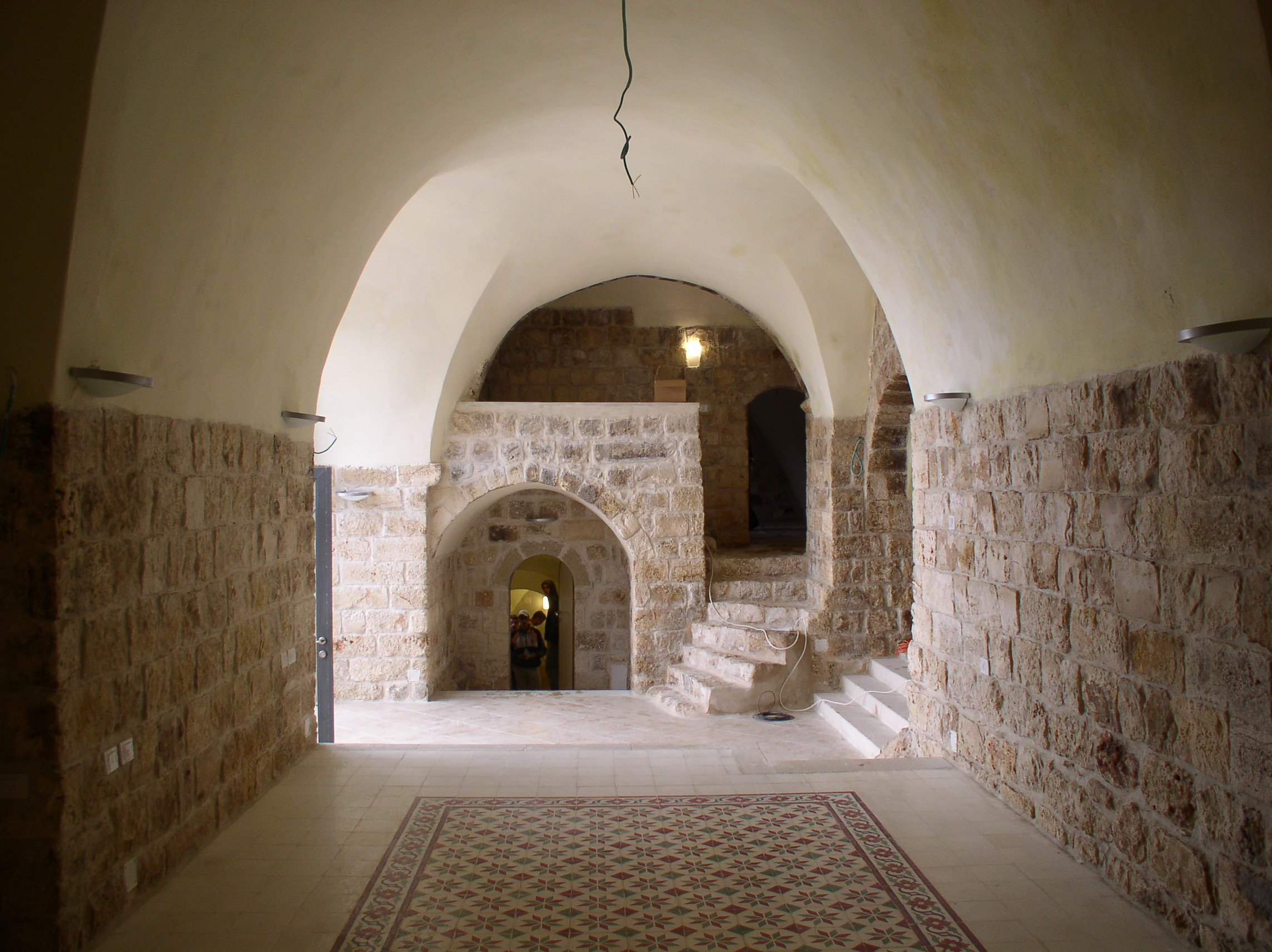
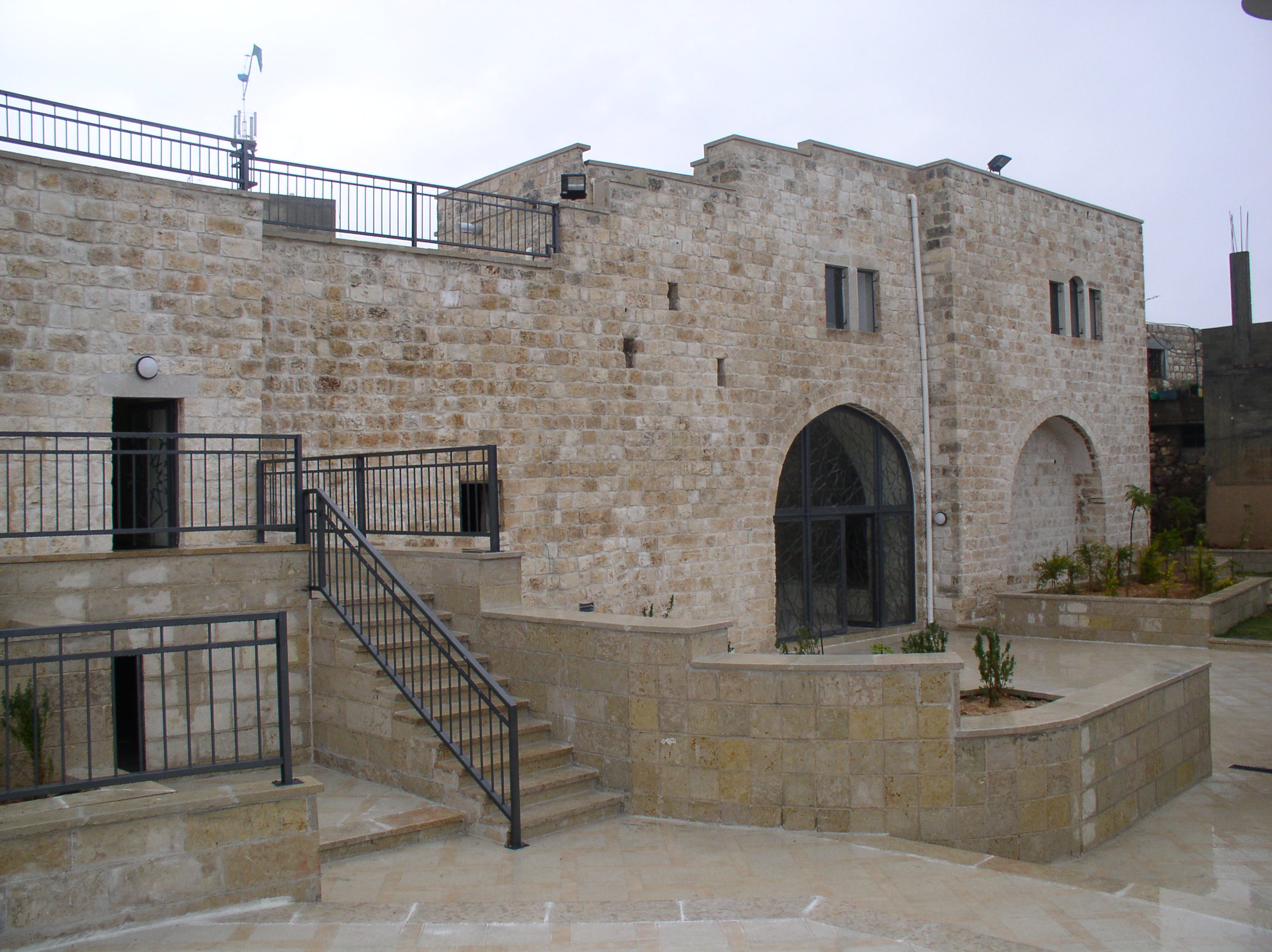
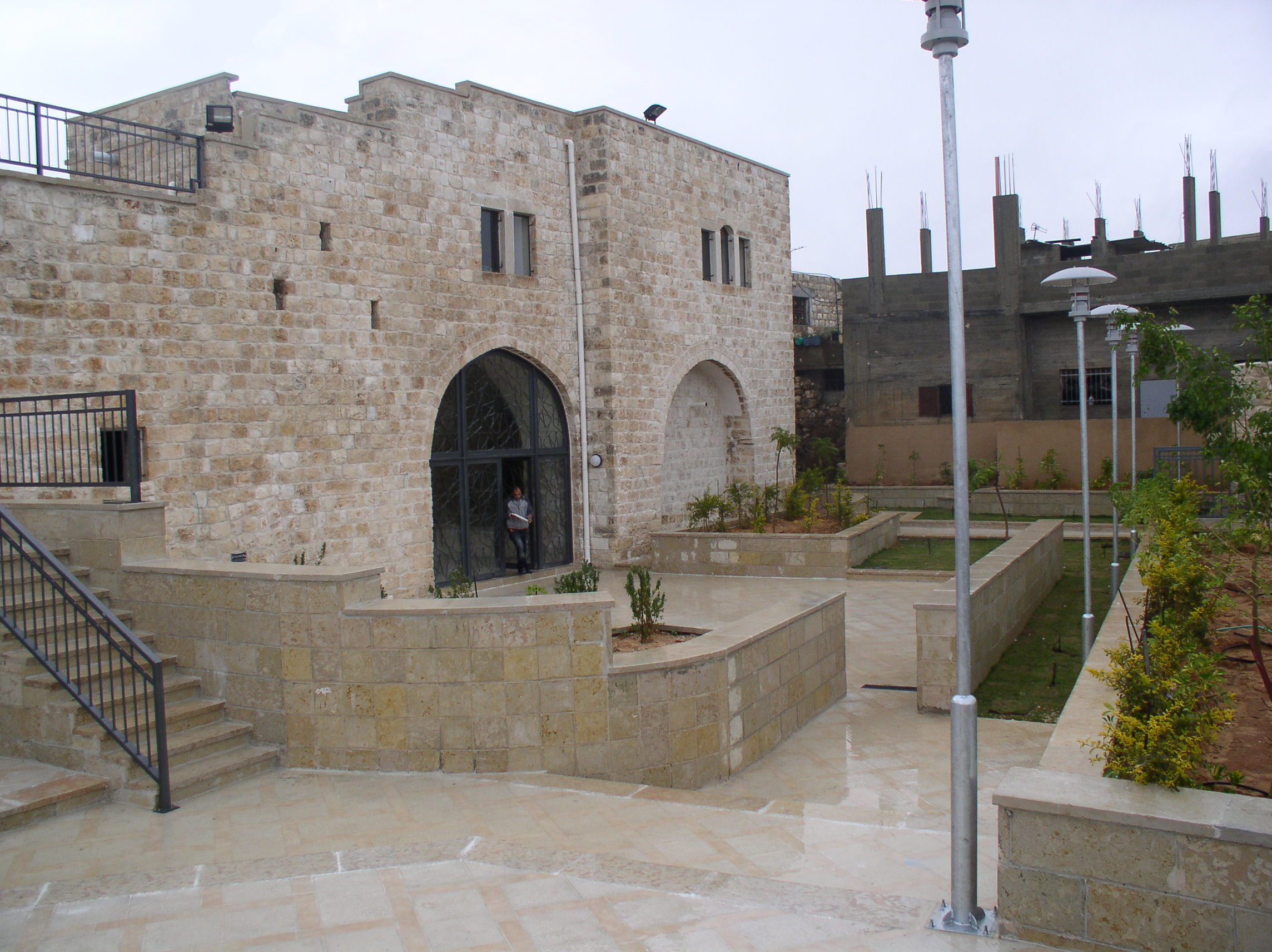
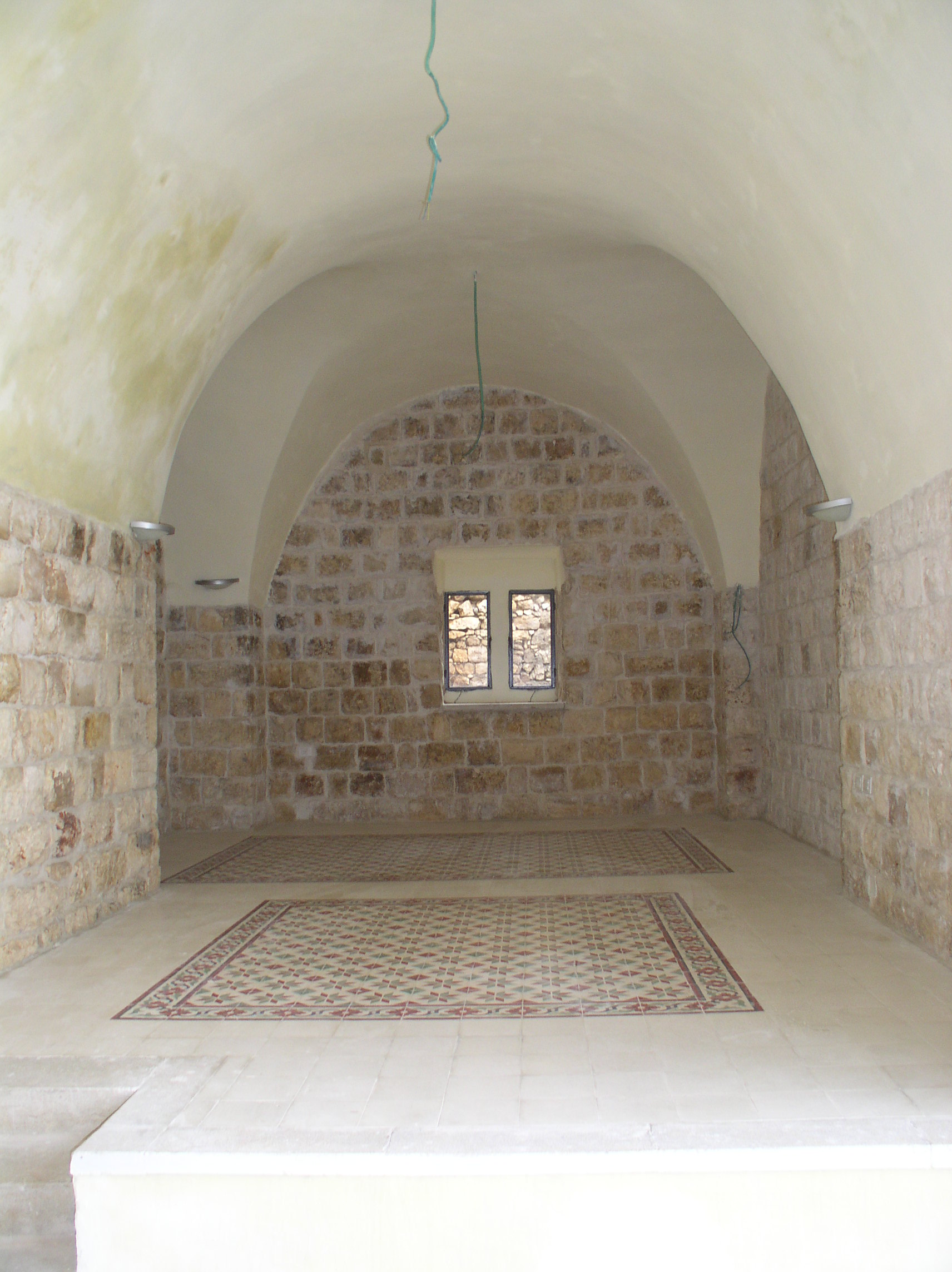
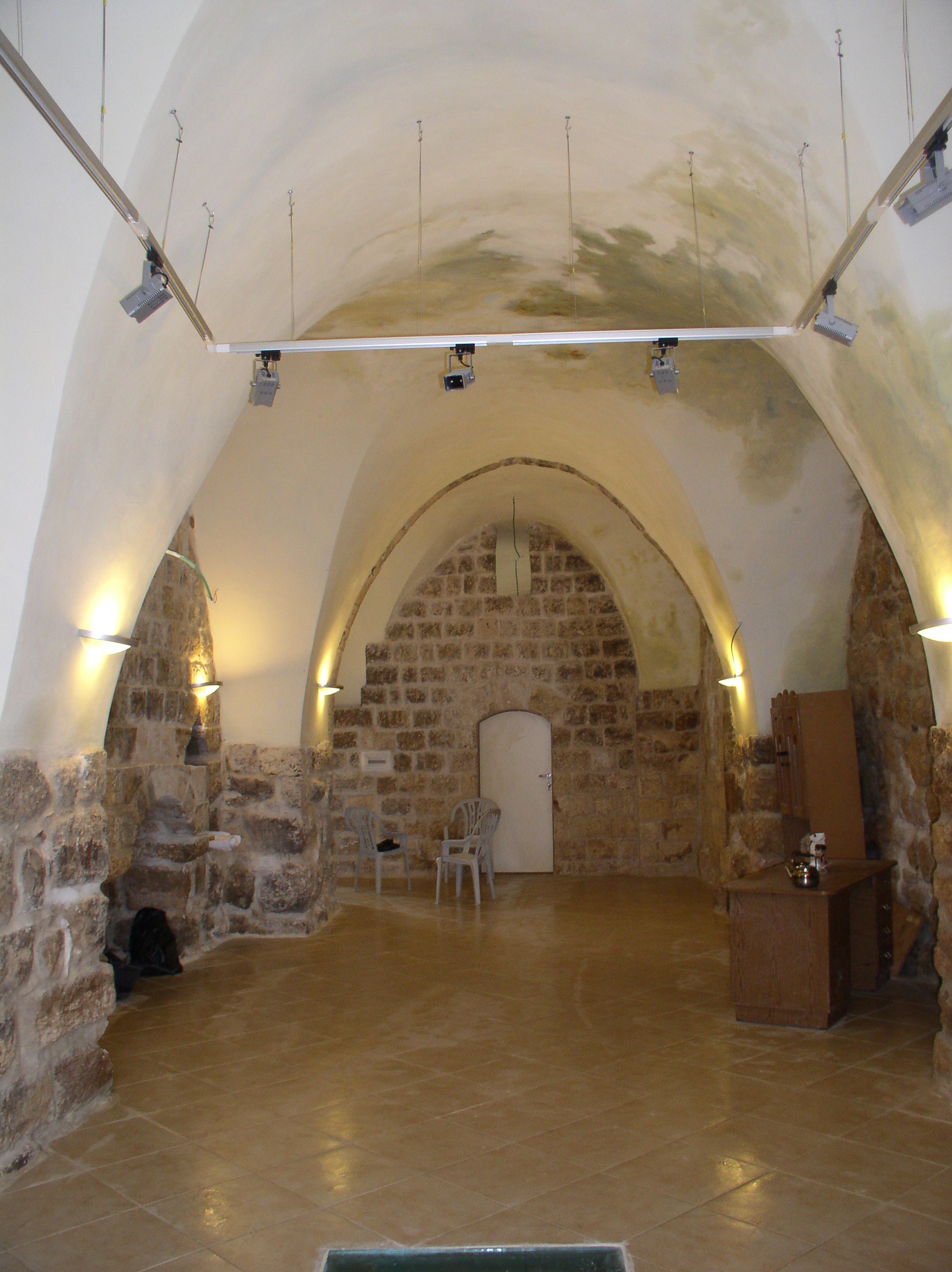
The castle is located in the village of Shofa, it is also known as the Barqawi Castle, named after the family that built it. It is a large complex consisting of a courtyard and two floors, situated at the highest point in the village. Constructed from carefully hewn stones with thick walls, the Barqawi Castle comprises around 20 rooms. Additionally, there are courtyards and gardens within the castle, along with an old mosque that was originally part of the castle but was later separated for prayer purposes.
The castle is considered a grand structure in terms of its style, system, and architectural design. It was built by one of the village families that held significant influence during the late Ottoman period, specifically the Barqawi family, in the late 17th and early 18th centuries.
Like many hill villages in Palestine, the construction of this castle is closely tied to the political system that emerged in the late Ottoman period in the region, known for its quasi-feudal system. The administration of the surrounding area was entrusted to the sheikhs of the Barqawi family, including Sheikh Naser al-Barqawi and Sheikh Isa al-Barqawi. This family played a crucial role in the region's history, and their spheres of influence encompassed vast areas and numerous villages in the vicinity. Thus, their expansion provided substantial financial returns, sufficient to construct this castle, in addition to their broad political and social influence in the region.
Frequent disputes and conflicts occurred between these sheikhdoms, sometimes leading to uprisings against Ottoman central rule or facing campaigns by Ibrahim Pasha. This dynamic influenced the construction of the castle, giving it a formidable defensive appearance to protect against enemies.
The building consists of three floors: the ground floor, which includes rooms used for animals and various storage facilities, the central ground floor with an exposed courtyard surrounded by rooms and spacious intertwined stone archways. Access to the upper floor is through a ascending stone staircase. The ground floor rooms were used for hospitality, administrative tasks related to managing family properties, and for the guards and family workers. A garden was attached to the ground floor, along with a mosque comprising two rooms and a portico with two hemispherical stone domes. The upper floor contains rooms for the family's private use for living and sleeping. The castle's facade features a wide and tall main gate, constructed with great care using hewn stones adorned with beautiful geometric patterns. The number of rooms in the castle totals around twenty, varying in size and use. In 2005, the Ministry of Tourism and Antiquities restored and rehabilitated the castle as a cultural and tourist landmark.